
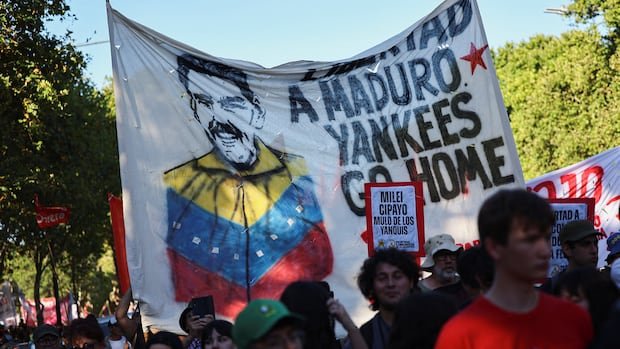
After removing Venezuelan President Nicolás Maduro over the weekend, U.S. President Donald Trump expressed confidence that American oil companies would enter Venezuela, invest heavily, and generate substantial profits for both themselves and the Venezuelan population. Trump emphasized the intention to “reclaim the oil, which should have been taken back long ago.”
Venezuela holds the largest proven oil reserves globally, but the issue of who can extract and benefit from these resources remains contentious and complex due to historical events. The nation nationalized its oil sector years ago and in 2007, it seized most U.S. oil assets, leading to the expulsion of two out of the three major U.S. companies operating there.
Legal battles persist over the substantial sums these companies claim Venezuela owes them in compensation, creating uncertainty regarding their return to the country. The ongoing disputes raise doubts about the timing and feasibility of their reentry into the Venezuelan oil industry.
In 1999, Hugo Chavez assumed the presidency in Venezuela with a promise to diminish U.S. influence in the nation. Despite Venezuela’s significant oil production and profits at the time, a considerable portion was under the control of U.S. companies such as ConocoPhillips, ExxonMobil, and Chevron.
Chavez further expanded the nationalization of the oil industry in 2007, compelling these companies, along with others, to cede operational control to the state oil company, Petróleos de Venezuela S.A. (PVDSA), effectively seizing a majority of their assets. Consequently, Venezuela gained ownership of up to 83% of projects in the Orinoco River Basin, a highly lucrative oil region.
While Chevron remained operational under special authorization amid strict U.S. sanctions, ConocoPhillips and ExxonMobil exited Venezuela after failed negotiations with the government. The seizure of assets triggered a prolonged battle over compensation, with ExxonMobil and ConocoPhillips seeking multi-billion-dollar payments that remain unresolved to date.
Trump’s recent statements about U.S. oil companies re-entering Venezuela and revitalizing the industry appear optimistic but oversimplify the challenges ahead. The Venezuelan oil infrastructure has deteriorated significantly over the years due to various factors, including political decisions and sanctions, requiring extensive investments estimated at over $100 billion and a decade for restoration.
As companies weigh the risks and opportunities, Chevron has prioritized the safety of its Venezuelan employees without indicating plans for expansion. ConocoPhillips has refrained from speculating on future investments, citing past expropriations in Venezuela. The shifting political landscape, with the U.S. asserting control over Venezuela’s oil sector, adds further complexity and uncertainty to the industry’s future.