
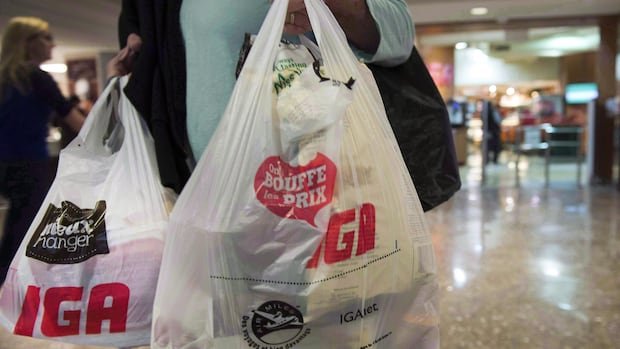
In a win for the Liberal government, the Federal Court of Appeal has upheld the decision to designate plastics as toxic, granting Ottawa the authority to prohibit single-use plastic products. This ruling represents a setback for Canada’s plastics sector, which had contested the federal regulations designed to combat plastic pollution. The unanimous verdict determined that a previous judge had erred in deeming Ottawa’s classification of plastic items as toxic as “unreasonable and unconstitutional.”
The three appeal court justices stated that this judgment was based on an incorrect premise and did not violate provincial or territorial jurisdiction. They emphasized that there was no constitutional issue at play. The court also deemed the government’s decision as rational, citing the potential toxicity of plastics to both humans and the environment.
Authored by Federal Court of Appeal Justice Donald Rennie, the decision, supported by the other two judges, strongly rejected the 2023 Federal Court ruling, criticizing it as a meticulous search for errors. In 2021, the Liberal government classified all plastic-manufactured items as toxic under the Canadian Environmental Protection Act, paving the way for the environment minister to introduce regulations to ban single-use plastic products nationwide.
Following the 2023 Federal Court ruling that struck down the ban, the Liberal government swiftly appealed the decision, obtaining a stay from the Federal Court of Appeal to uphold the ban. Environment and Climate Change Minister Julie Dabrusin affirmed that the recent ruling maintains the single-use plastics regulations in effect, aligning with a government report highlighting the environmental threat posed by plastic pollution.
Major industry players such as Dow Chemical, Imperial Oil, and Nova Chemicals initiated the case, and there is a possibility of further legal action as plastic manufacturers may appeal to the Supreme Court of Canada. The Responsible Plastic Use Coalition, representing plastics producers, indicated that they are reviewing the decision and exploring legal options.
The governments of Saskatchewan and Alberta, intervening in the case, expressed disappointment with the Federal Court of Appeal’s ruling. They are exploring avenues, including appealing to the Supreme Court of Canada, to defend their jurisdiction and jobs. Former Environment Minister Steven Guilbeault acknowledged the relief of the unanimous decision but highlighted the years of legal battles that have hindered progress in combating plastic pollution.
Environmental groups and legal advocates celebrated the decision, emphasizing the importance of addressing emerging environmental risks and taking precautionary measures. The NDP called on the Liberal government to implement robust regulations to combat plastic pollution effectively. The Canadian Produce Marketing Association expressed concerns about potential trade disruptions and impacts on food supply chains due to further government actions against plastic waste.
Despite differing opinions, the ruling affirms the government’s authority to act against plastic pollution, prompting discussions on the future steps to tackle plastic waste.