
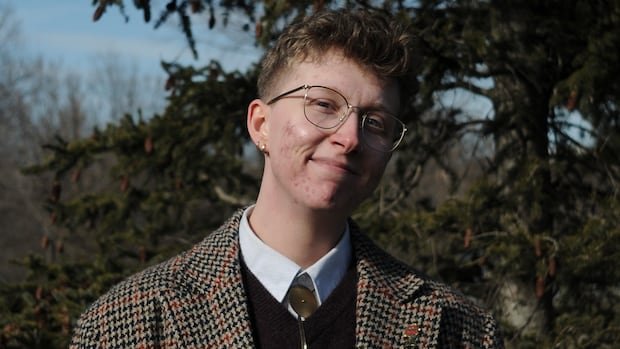
Western University researchers are conducting a study to explore the perspectives of sex- and gender-diverse individuals on body donation for scientific purposes. The research project, titled “Embodied Legacies: Perspectives on Body Bequeathal from Sex and Gender Diverse Individuals,” is led by Clinical Anatomy master’s student Charlie Brake.
Body bequeathal, the act of donating one’s body for anatomical study, is a common practice in the scientific community. People choose to donate their bodies for various reasons, often driven by a desire to contribute back to society. Charys Martin, an anatomy instructor at Western’s Schulich School of Medicine and Dentistry and a member of the body bequeathal program board, emphasizes the importance of respecting individuals’ identities in healthcare.
While many individuals choose to donate their bodies, some may have reservations based on religious or cultural beliefs, historical mistrust of the medical field, or other reasons. Previous data collection on body donations lacked differentiation between biological sex and gender, leaving gaps in understanding the donation patterns of transgender, non-binary, and intersex individuals.
The ongoing study involves interviews with sex- and gender-diverse individuals to gather their insights on body bequeathal. The primary goal is not to recruit donors but to enhance diversity, equity, and inclusion practices in anatomy labs. By incorporating diverse perspectives, the research aims to highlight the unique relationship between identity and body.
Brake and Martin believe that by including diverse voices, the research can promote acceptance of individual differences in healthcare. They emphasize the significance of treating each body donor as a unique individual, mirroring the approach healthcare professionals should adopt with their patients.
In cadaveric anatomy education, students not only learn technical skills but also cultivate interpersonal professionalism. By learning to respect the wishes of potential sex and gender diverse donors, students can develop a holistic approach to patient care that values inclusivity and empathy.
Western University’s body bequeathal program receives varying numbers of donations annually, with efforts made to enhance inclusivity in lab practices. The program now collects identity pronouns from donors’ families to honor their lived identities during educational use. This initiative reflects a commitment to acknowledging and respecting the diverse identities of body donors.