
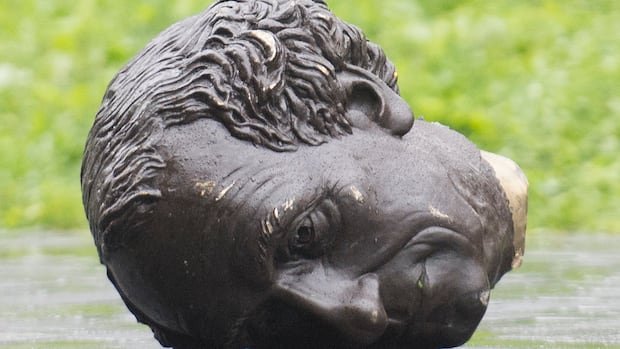
In the era of COVID, Canada faced its historical challenges, leading to the removal of statues of key figures, including Sir John A. Macdonald, the first Prime Minister. However, a movement has emerged to restore these monuments, supported by various stakeholders. For instance, the Wilmot community in Ontario recently voted to reinstall Macdonald’s statue, emphasizing an educational approach with acknowledgment of past wrongs.
Political figures like Ontario Premier Doug Ford have also taken steps to uncover and reinstate Macdonald’s statue at Queen’s Park, emphasizing the importance of honoring the country’s foundational leaders. Former Conservative leader Erin O’Toole advocates for recognizing Macdonald’s pivotal role in Canada’s history, urging a balanced reflection on his legacy.
Despite past controversies, the push to restore Macdonald’s statues aims to promote national pride and historical remembrance. While acknowledging Macdonald’s flaws and the impact of his policies on marginalized communities, proponents argue for a comprehensive understanding of his contributions to Canadian nation-building.
However, some critics, like Indigenous studies professor Omeasoo Wahpasiw, oppose restoring Macdonald’s tributes, citing his problematic legacy and the need for a truthful representation of history. Educator J.D.M. Stewart emphasizes the complexity of historical figures like Macdonald, advocating for a nuanced perspective that considers both achievements and shortcomings.
As debates continue over commemorating figures like Macdonald, the discussion extends to broader questions of national identity, historical preservation, and the reconciliation of past injustices. The ongoing dialogue reflects a nuanced approach to navigating complex historical legacies in Canada.