
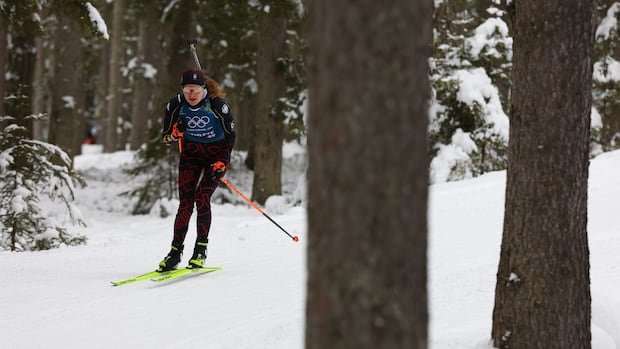
Future editions of the Winter Olympics may be rescheduled to January from their current February timeframe to take advantage of enhanced snow conditions and colder temperatures. This adjustment comes as the International Olympic Committee (IOC) reevaluates all aspects of its winter sports extravaganza in response to climate change challenges.
In addition to contemplating the date shift, the IOC is exploring the inclusion of traditional summer sports in the Winter Olympics to enhance appeal and drive revenues. Both the 2030 French Alps and the 2034 Salt Lake City Winter Olympics are presently slated for February.
Karl Stoss, who leads the IOC’s Olympic Programme Working Group, stated during an IOC session that they are examining various aspects such as the scale of the Games, sports mix, potential new additions, and the intersection between summer and winter sports. Running and cycling disciplines are being considered for inclusion, although some winter sports federations express reservations due to potential impacts on their traditional markets.
International Cycling Union (UCI) chief David Lappartient expressed support for incorporating winter disciplines like cyclocross into the Games, citing the opportunity to engage top cyclists and attract larger audiences.
Furthermore, the possibility of moving the Paralympics to February is being discussed to align with the Winter Olympics schedule more effectively, as the current March timing is deemed late due to snow melting concerns caused by strong sunlight. Stoss mentioned the potential for holding the Winter Olympics in January and the Paralympics in February.
The last instance of the Winter Olympics commencing in January was 62 years ago at the 1964 Innsbruck Winter Olympics. Climate change impacts, including diminishing natural snow and reduced water availability for snow production, are posing challenges to the global snow sport industry. A study by the IOC forecasts that by 2040, only 10 nations will have the capacity to host snow sports events for the Winter Olympic and Paralympic Games.
The 2022 Beijing Games marked a significant shift by utilizing almost entirely artificial snow, deploying numerous snow generators and snow-making equipment to cover ski slopes.