
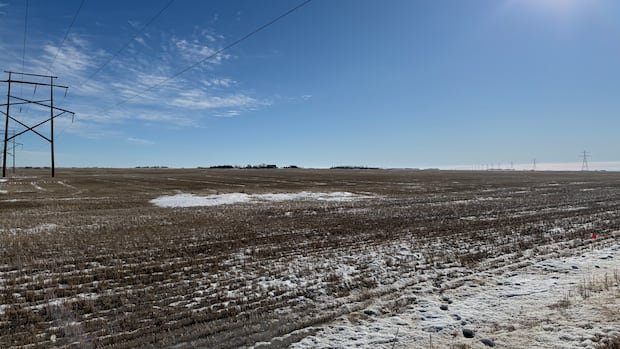
A proposed artificial intelligence data center south of Regina is facing opposition from nearby residents over concerns about water usage and noise pollution. Recently submitted documents by a numbered company to the Rural Municipality of Sherwood reveal that telecommunications giant Bell Canada intends to construct a campus spanning around 65 hectares, with the data center serving as essential digital infrastructure for research, provincial AI advancement, and federal industries.
The University of Regina and Saskatchewan Polytechnic have expressed support for the project, citing potential research and educational advantages. Nonetheless, neighboring landowners have voiced apprehensions and are seeking clarification on the proposed development. In particular, they are worried about water usage, as highlighted in letters submitted to the RM. These landowners, identified as “Adjacent and Area Landowners,” emphasize the lack of information regarding the water source for the project and its potential impact on neighboring wells.
The concerned property owners urge the municipality to investigate whether the data center will utilize municipal water or groundwater extraction, and if extraction is employed, how it will be monitored. While the exact water requirements for the facility remain unspecified, the documents suggest that water services will be supplied through private cisterns.
According to David Meyer, an assistant professor of engineering at the University of Toronto, data centers can strain local water resources due to their concentrated water usage. However, Meyer notes that data centers should be viewed in the broader context of water consumption, as sectors like agriculture and urban human use often surpass their water demands.
In addition to water concerns, neighboring property owners have also raised issues with noise pollution, drainage, and the potential strain on road infrastructure. They are calling on the RM to enforce noise limits for the project, emphasizing that even minor noise disturbances in rural areas can significantly impact residents. The full scope and capacity of the data center remain unclear, with references in the documents to multiple interconnected buildings and over “300” parking spaces.
The documents further reveal that the data center will be powered by a SaskPower substation, with construction of the initial structure expected to commence within the year. Bell Canada has not responded to requests for comments on the project.
Overall, the proposed AI data center in Regina is facing scrutiny from local residents over environmental and infrastructure concerns, prompting calls for transparency and mitigation measures from the authorities.