
Astronaut well-being has been a focal point since the inception of space exploration. Various issues like motion sickness, disorientation, muscle weakening, and bone density loss have impacted every space traveler. NASA has made strides in addressing these challenges through medication and rigorous in-orbit exercises. However, as longer missions to the moon and Mars loom, potential health complications pose significant concerns. Scientists are intensively researching the health risks that long-distance astronauts may encounter and developing strategies to manage them effectively.
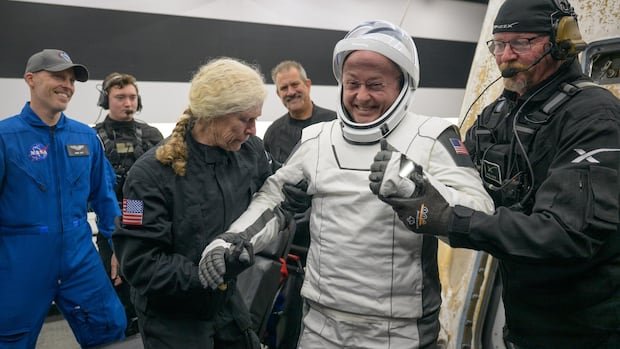
While severe health incidents in space are infrequent, a milestone was marked in January 2026 with the first medical evacuation from the International Space Station. Astronaut Mike Finke necessitated ground-based diagnosis and treatment for a non-life-threatening condition, marking a unique event in the station’s 25-year history. The specifics of the medical emergency remain undisclosed for privacy reasons, though Finke’s recovery progress has been positive.
To enhance comprehension of microgravity’s impact on human health, close calls in space are meticulously scrutinized. A recent study by scientists from Simon Fraser University delved into blood clot formation in microgravity after an incident involving an unnamed female astronaut in 2019. Swift intervention both on Earth and in space averted immediate complications from the clot.
Investigations revealed that blood clots in microgravity exhibit heightened resilience compared to those formed in terrestrial conditions. Subsequent studies explored potential sex-based disparities in clotting responses to microgravity. Portable ultrasound devices play a crucial role in diagnosing such health issues aboard the space station, where medical resources are limited.
Weightlessness poses unique challenges, including fluid redistribution leading to conditions like facial swelling and vascular concerns. Vision deterioration, exemplified by Space-Associated Neuro-Ocular Syndrome (SANS), has emerged as a prevalent issue among astronauts on extended missions. The condition’s etiology is linked to alterations in cerebral blood flow and pressure, with a substantial proportion of astronauts encountering SANS during prolonged spaceflights.
Space-related injuries, notably musculoskeletal issues, are common among astronauts, often attributed to exercise routines. The International Space Station is equipped with essential medical resources and personnel, yet certain conditions necessitating invasive interventions, such as appendicitis, mandate prompt return to Earth due to the impracticality of surgical procedures in a weightless environment.
Future lunar and Mars expeditions pose unique challenges, as swift returns to Earth may not be feasible. NASA is devising Earth-Independent Medical Operations (EIMO) to empower astronauts to autonomously manage health emergencies during extended missions. Emphasis on proactive health monitoring and self-sufficiency is vital for ensuring crew well-being during distant voyages.
Despite meticulous preparations, unforeseen medical crises remain a possibility in space. NASA has contingency plans for addressing fatalities, underscoring the inherent risks of space exploration. The hope is to avert such tragic scenarios as humans venture further into the cosmos.