
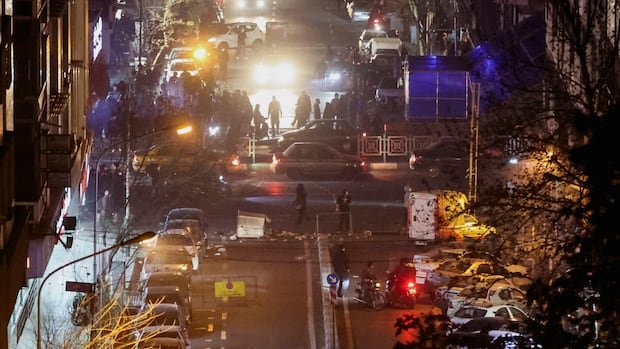
Erfan Soltani, a 26-year-old man from Iran, has been handed a death sentence in Iran, as reported by various human rights organizations amidst widespread protests and a violent government crackdown. This case is drawing attention as possibly the initial death penalty in the recent surge of demonstrations against the Iranian administration led by Supreme Leader Ayatollah Ali Khamenei.
The situation has seen reports of police firing into crowds of protestors, resulting in a death toll of at least 2,003 individuals, according to the U.S.-based Human Rights Activists News Agency. An Iranian state official also confirmed to Reuters that about 2,000 people have lost their lives in these events.
One witness recounted to BBC, “People dropped where they were standing.” Iran Human Rights, a non-profit organization based in Norway, disclosed that Soltani’s family was notified on Monday about his arrest on January 8 in Fardis, a city west of Tehran, and subsequent death sentencing. The family source revealed that the execution was scheduled for Wednesday without a proper trial or clarity on the charges Soltani is facing.
Expressing deep apprehension about the increasing violence and potential mass executions of protestors, Iran Human Rights called for immediate international intervention to address the critical situation.
The non-profit noted that Iranian authorities have labeled protestors as “mohareb” (meaning “war against God”), terrorists, and troublemakers, associating them with Israel and the United States, offenses punishable by death. The protests initially sparked over economic grievances but swiftly evolved to challenge the existing theocratic regime, particularly Ayatollah Khamenei.
Hengaw, another rights group based in Norway, reported that Soltani’s sister, a lawyer, has been denied access to her brother’s case file, indicating severe restrictions on legal representation.
Erfan Soltani has been denied basic rights since his arrest, including legal counsel and due process guarantees, as highlighted by Iran Human Rights. The family has been permitted only one final visit with Soltani before his imminent execution.
U.S. President Donald Trump recently announced on Truth Social the cancellation of planned meetings with Iranian officials until the violence against protestors ceases, emphasizing support for the demonstrators. However, Trump’s statement was not explicitly connected to Soltani’s case.
In response, top Iranian security official Ali Larijani pointed fingers at Trump and Israeli Prime Minister Benjamin Netanyahu as the main culprits behind the unrest in Iran. The international community’s response to the crisis is critical, as emphasized by various experts and organizations monitoring the situation closely.