
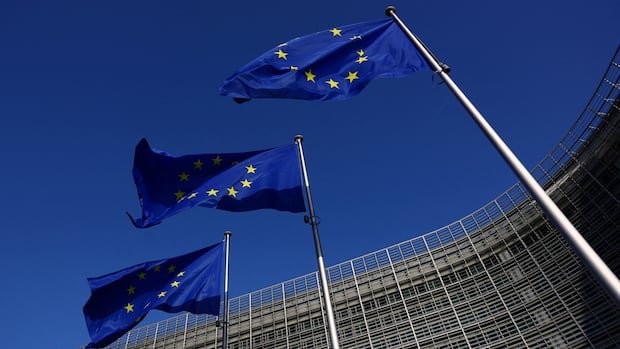
Adult entertainment platforms like Pornhub, Stripchat, XNXX, and XVideos are facing accusations of violating European Union regulations that prevent minors from accessing adult content online. The EU regulators have initiated these charges following a thorough 10-month investigation carried out under the Digital Services Act, which mandates that big online platforms take more stringent actions to combat illegal and harmful content.
Henna Virkkunen, the EU tech chief, emphasized the increasing trend of children accessing adult material at younger ages, insisting that these platforms must implement strong, privacy-focused, and effective measures to prevent minors from accessing their services. Violating the Digital Services Act could result in fines up to six percent of a company’s global annual turnover.
The European Commission, responsible for enforcing the act, criticized the accused companies for not utilizing objective and comprehensive methodologies to evaluate the risks associated with minors accessing their platforms. They specifically called out Pornhub, Stripchat, XNXX, and XVideos for prioritizing their reputations over the potential societal dangers to underage individuals.
Furthermore, the regulator raised concerns about the companies’ self-declaration tools, which allow users to confirm their age with a simple click to access the platforms. These measures, along with features like page blurring and content warnings, were deemed ineffective in preventing children from viewing inappropriate content.
The European Commission insisted that these platforms, including Snapchat, need to implement age verification measures that prioritize user privacy to safeguard children from harmful online content. Snapchat, in particular, is under scrutiny for allegedly failing to adequately protect minors from risks such as exposure to child predators or exploitation by criminals, even though the platform requires users to be at least 13 years old.
Snapchat has stated its full cooperation with the Commission’s investigation and commitment to meeting the safety standards outlined in the Digital Services Act. The recent legal actions against these platforms coincide with significant verdicts in the U.S., where Meta and YouTube were held accountable in a landmark social media addiction trial in Los Angeles, and Meta faced legal repercussions in New Mexico for breaching child safety laws.