
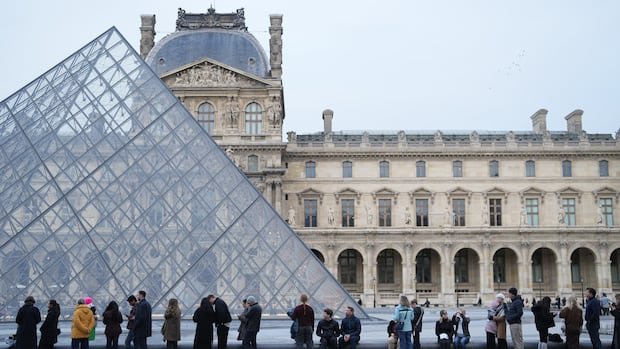
The Louvre museum in Paris is implementing a substantial price increase for non-European visitors, raising admission fees by 45 per cent to 32 euros ($51 Cdn) from the previous 22 euros. This adjustment is part of a national strategy known as “differentiated pricing” that was introduced last year and is now being implemented at various cultural landmarks in France, including the Versailles Palace, the Paris Opera, and the Sainte-Chapelle.
Despite the Louvre’s reasoning for the price hike, French worker unions have criticized the move, arguing that it contradicts the museum’s mission of offering universal access to renowned artworks like the Venus de Milo and the Winged Victory of Samothrace. The workers’ discontent was evident through a recent strike over pay and working conditions, underscoring the internal challenges faced by the institution.
The new pricing structure mainly affects visitors from non-EU countries, such as the United States, which traditionally constitutes a significant portion of the Louvre’s international tourists. Under the revised policy, individuals outside Europe will be subject to the increased rate, while guided groups will pay 28 euros per person, with group sizes limited to 20 people to enhance the visitor experience.
Despite some tourists questioning the rationale behind the price hike, many expressed their willingness to pay the increased fee to visit the iconic museum. The CGT Culture union has strongly opposed the pricing policy, condemning it for transforming cultural access into a commodity and creating inequality in heritage accessibility.
The Louvre anticipates that the higher ticket prices will generate additional revenue to support its modernization initiatives under the “Louvre — New Renaissance” project, potentially yielding up to 20 million euros annually. The decision to raise prices follows the recent theft of French Crown Jewels from the Louvre, which has intensified discussions on funding upgrades for major landmarks and the distribution of financial burdens among visitors.
In light of escalating tensions within the Louvre, including strikes and security concerns, the institution continues to grapple with managing its operational challenges amidst the backdrop of its global significance as a cultural hub.