
A recent study highlights the peril facing hundreds of freshwater fish species worldwide, with the dorado catfish exemplifying the challenges of migration. This massive fish, native to the Amazon, embarks on an epic journey from Brazil’s Amazon estuary to the Andes Mountains across several South American countries, covering a distance of up to 11,000 kilometers.
However, the dorado catfish and other migratory freshwater species face mounting threats such as habitat destruction, overfishing, and dam obstructions hindering their migrations. According to Zeb Hogan, a biologist from the University of Nevada, impeding these vital journeys could lead to stock depletion and potential species extinction.
Hogan spearheaded a global assessment, in collaboration with the World Wildlife Fund and the Convention on the Conservation of Migratory Species of Wild Animals, which identified 325 migratory fish species requiring urgent international intervention to ensure their survival.
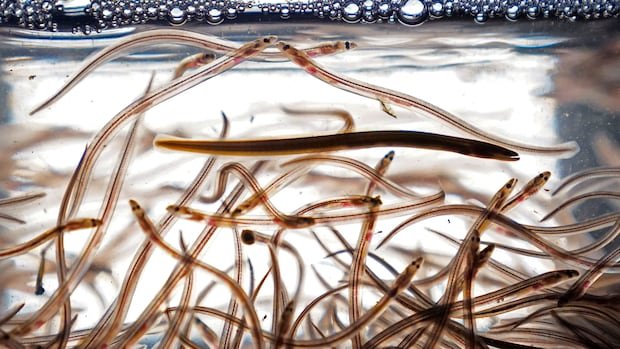
Dams pose a significant obstacle for migratory fish like the dorado catfish, impeding their upstream movements and disrupting natural spawning cycles. Furthermore, challenges like habitat degradation, overfishing, and land use changes exacerbate the situation, impacting not only Amazonian catfish but also other species like the American eel.
The decline of migratory fish populations threatens ecosystems and human communities reliant on these species for nutrient cycling, food security, and cultural significance. Steven Cooke, a Canadian fisheries biologist, emphasized the importance of providing safe passage for these fish across borders and the need for international cooperation to address the looming crisis.
While challenges persist, recent commitments from countries along the Amazon River to protect the dorado catfish offer hope for the future. Through increased awareness and collaborative efforts, there is optimism for the preservation and recovery of these invaluable migratory fish populations.