
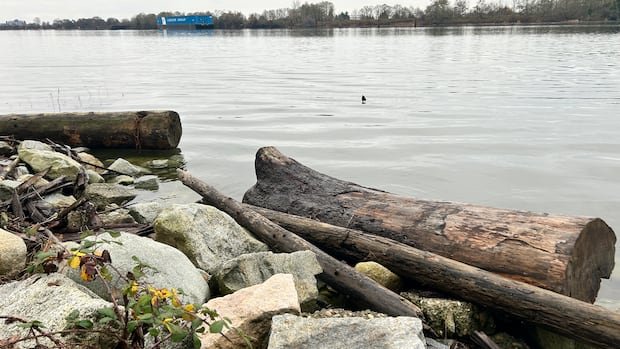
A recent research study conducted by biologists at the University of Victoria has unveiled the detrimental impact of drift logs on crucial marine ecosystems along the coast of British Columbia. The study highlights how the rhythmic movement of drift logs on beaches is disrupting intertidal zones, which are essential for supporting a diverse array of marine life.
The study, published in the Marine Ecology journal, observed a significant decrease in barnacle populations on rocks exposed to drift logs compared to sheltered areas. This decline in barnacles has cascading effects on other species that depend on them for sustenance.
Experts, including University of Victoria’s adjunct professor Thomas Reimchen and University of British Columbia’s zoology professor Chris Harley, emphasized that drift logs act as a disturbance, displacing marine organisms and leading to habitat loss. While some level of disturbance promotes biodiversity, excessive disruption can result in the loss of critical species that serve as food sources for various marine animals.
Using satellite imagery and historical photos, researchers documented a 520% increase in drift logs along the western shores of British Columbia and Haida Gwaii since the late 19th century. A significant portion of these logs originates from the logging industry, with log booms being identified as a major contributor to the accumulation of drift logs on shorelines.
In response to these findings, the forestry sector in British Columbia is transitioning towards using barges for log transportation to reduce the occurrence of loose logs. The government has regulations in place to manage loose logs, with licensed salvagers actively collecting salvaged logs to mitigate the environmental impact.
The study underscores the urgent need for sustainable practices in the forestry industry to protect coastal ecosystems and preserve biodiversity.