
A Victoria-based company has developed innovative technology capable of detecting marine mammals and is currently testing it on a new electric passenger ferry. Reach Technologies Inc., founded by Glenn Jones 32 years ago in aerospace technology, has now ventured into marine detection. Trials with the Department of National Defence are commencing this month.
The company’s groundbreaking multispectral camera, with a 360-degree rotating capability, can rapidly identify objects, debris, individuals, and animals. According to Jones, the camera can detect marine mammals as soon as they break the surface. The technology, priced at up to $600,000, is unparalleled globally, as stated by Jones.
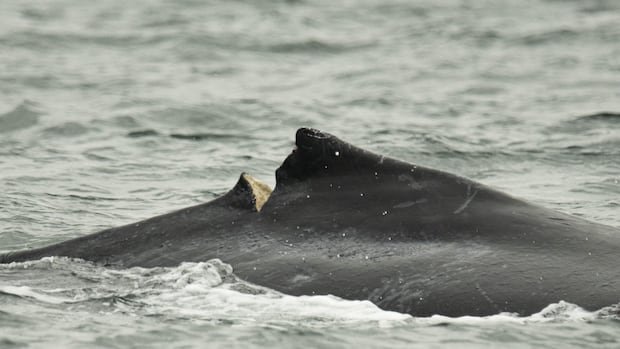
In response to recent humpback whale fatalities caused by vessel strikes in British Columbia, Reach Technologies’ detection system is being piloted by CIRQL Ferries. The company plans to operate two electric ferries by 2028, traveling from Vancouver to Bowen Island and the Sunshine Coast. These ferries will traverse areas where previous whale incidents occurred.
Marine Mammal Zoologist Anna Hall highlighted the increasing humpback whale population in Howe Sound, emphasizing the species’ vulnerability to vessel strikes. Conservation efforts and advanced technologies, such as the one developed by Reach Technologies, are crucial in mitigating risks to marine life.
Sean Brillant, a senior conservation biologist, emphasized the danger even smaller vessels pose to whales, stressing the importance of reducing speeds and implementing safety protocols. Detection technologies and restricted areas play a vital role in preventing vessel strikes. Darren Pereira, co-founder of CIRQL, emphasized the need for responsible marine stewardship and highlighted the benefits of electric ferries in reducing underwater noise.
Efforts to protect marine life and reduce collision risks are critical, as highlighted by researchers and marine experts. The collaboration between technology, regulations, and proper training for vessel operators is essential in safeguarding marine ecosystems. Experts recommend creating comprehensive marine mammal mitigation plans to ensure the success of conservation efforts.