
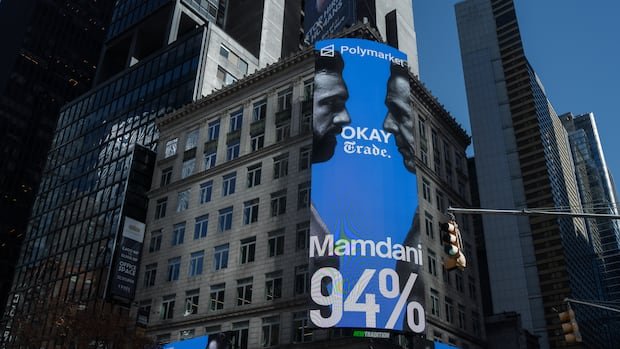
An inquiry into possible tampering with temperature sensors at Paris airport to influence online betting results is shedding light on the increasing popularity of climate-related bets. Several accounts on Polymarket, an online betting site, netted substantial winnings following a sudden 5-degree Celsius temperature spike earlier this month.
The incident has sparked discussions on the ethics of platforms like Polymarket and Kalshi, which enable users to wager on climate-related events such as the intensity of hurricanes or the likelihood of 2026 being the hottest year on record. Climate experts suggest that weather betting could enhance climate science and potentially sway some climate change skeptics.
Professor Moran Cerf from Columbia University has conducted research on how participating in prediction markets impacts individuals’ perceptions of climate change. Participants in the study placed bets on various climate events, like the California wildfires, and were surveyed before and after to assess changes in their attitudes. The study revealed that individuals who engaged in these markets showed increased awareness and concern for climate change, with even some skeptics possibly changing their views.
The research addresses the challenge of convincing individuals with varying levels of skepticism about human-induced global warming. Despite the rise in climate-related disasters, skepticism persists. According to a January 2025 poll by the Angus Reid Institute, nearly a quarter of Canadians do not believe humans are primarily responsible for climate change, while nine percent doubt its existence altogether.
Climate change poses challenges due to its long-term and global nature, with impacts like rising sea levels and disrupted food systems affecting regions over time. Prediction markets offer a way to bridge this gap by providing immediate feedback through real-time probability changes and short-term payouts.
Prediction markets, unlike traditional casinos, allow users to trade shares based on binary outcomes. Climate scientist Mark Roulston at the University of Lancaster is leading a project where research teams participate in prediction markets to improve climate models and scientific accuracy without risking their own funds.
Roulston envisions expanding prediction market research to aid governmental decision-making, enhance insurance risk assessment, and streamline scientific forecasting. By aggregating expert opinions through prediction markets, he believes it can lead to more accurate predictions and quicker dissemination of information compared to traditional research methods.
While short-term binary options are prohibited in Canada, Wealthsimple has received approval to operate specific prediction markets in the country, focusing on economic and climate trends. However, concerns remain about the effectiveness of short-term bets in raising climate awareness and potential data tampering issues like those seen in Paris, undermining the credibility of these platforms.