
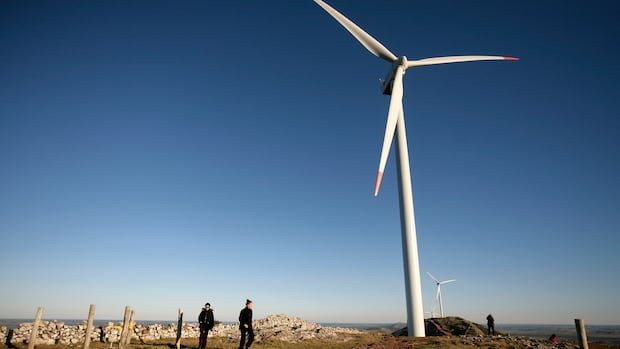
Countries around the world are showcasing successful transitions to renewable energy, providing examples of the benefits of reducing reliance on fossil fuels. Uruguay, Kenya, and Pakistan have made significant strides in enhancing their clean electricity capacity.
Despite fossil fuels dominating more than four-fifths of the global energy supply, many nations are prioritizing the shift towards renewables to combat climate change and mitigate risks associated with supply and price fluctuations. According to Jessica Isaacs from the World Resources Institute’s Polsky Energy Center, this shift is driven by the need for energy security, as renewable sources like solar, wind, geothermal, and hydropower offer more stable and locally available energy options.
While European countries like Denmark, the Netherlands, and Norway have been in the spotlight for their renewable energy journeys, other regions have also made remarkable progress. Uruguay, for instance, transitioned to renewables after facing price and supply shocks, with nearly 40% of its electricity now coming from wind power.
In Kenya, the focus has been on expanding renewable energy access, with a goal to achieve 100% renewable power by 2030. The country has made substantial advancements, particularly in geothermal energy, demonstrating how clean energy can drive economic growth in developing nations.
Pakistan’s rapid transition to clean energy, primarily through solar power, has been remarkable. The country’s electricity generation from solar sources has surged, significantly reducing dependency on costly oil and gas imports. Distributed solar systems installed on rooftops have played a crucial role in stabilizing the power sector and cutting import costs.
The success of these countries lies in their ability to engage and educate their populations on the benefits of renewable energy for the environment, economy, and energy security. Political will, public support, and a strategic approach have been key factors in driving these transitions towards a more sustainable energy future.