
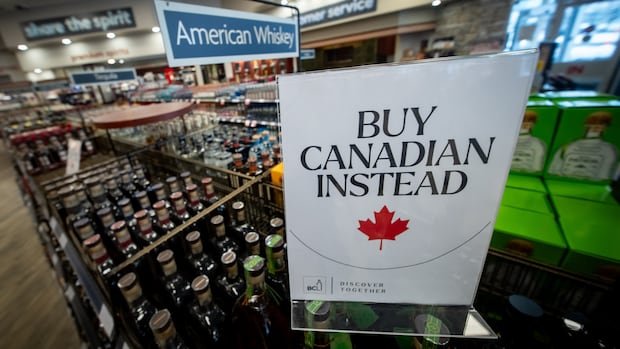
Martha Reynolds, a conscientious shopper, carefully considers the origins of products she buys, whether at a grocery store or the NSLC in Halifax. She has shifted her alcohol purchases from bourbon to scotch whisky and also favors Canadian wines over Californian ones. This shift in consumer behavior, combined with some Canadian provinces not selling American alcohol in response to the U.S. trade war, has had a significant negative impact on the distilled spirits industry in the United States.
Chris Swonger, the president and CEO of the Distilled Spirits Council of the United States, expressed concern over the decline in exports to Canada, which fell by 63% last year. The overall global exports of American spirits dropped by 3.8%, largely due to the Canadian boycott of U.S. alcohol. The council also cited whisky producers’ rush to ship to the EU in late 2024 to avoid potential retaliatory tariffs as another reason for the decline.
While the NSLC initially removed American alcohol from its shelves in response to the trade war, the corporation resumed selling existing stock late last year but did not order more. Sales of American products have declined since the initial surge of demand. It is important to note that products considered American are those made, manufactured, or produced in the U.S., excluding certain items like Budweiser, which is brewed in Canada.
NSLC spokesperson Terah McKinnon mentioned that more details about remaining American products would be disclosed with the release of year-end financial results in June. Swonger acknowledged the strained relations between the U.S. and Canadian governments and expressed hope for improvement in the future.
As the boycott continues to impact American alcohol producers, the industry is striving to find common ground and restore exports to Canada.