
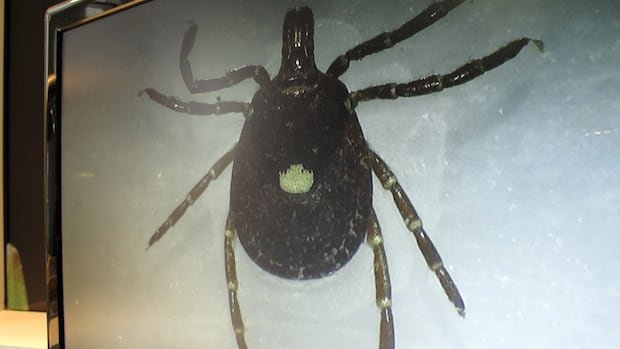
Canadians are urged to prepare for a gradual incursion from the United States as various species of ticks carrying harmful pathogens are seeking to establish themselves in Canada. The Government of Canada has identified over 40 tick species in the country, with the blacklegged tick, known for transmitting Lyme disease, being the most prominent. Lyme disease symptoms include fever, fatigue, and a distinctive “bull’s-eye” rash, potentially leading to severe joint, heart, and nervous system complications if untreated.
Nicoletta Faraone, overseeing the new Canadian Tick Research and Innovation Centre at Acadia University in Nova Scotia, emphasizes the urgent need to understand and address the risks posed by tick-borne diseases. With ticks from the northern U.S. steadily moving towards Canada at a pace of approximately 50 kilometers annually, concerns are raised about the lone star tick, capable of inducing a severe meat allergy in humans.
The lone star tick has already established itself in Maine, where individuals like Patty O’Brien-Carrier have experienced life-threatening allergic reactions to meat after being bitten. The Canadian research facility is actively studying ticks, including the lone star tick, to enhance knowledge and develop strategies to manage these vectors and the diseases they carry.
The facility’s efforts are crucial in combating tick-related challenges, such as the Asian long-horned tick, which poses risks to livestock in Nova Scotia. Farmers like Tim Marsh are on high alert, implementing preventive measures like clearing vegetation to reduce tick habitats. Faraone stresses the importance of developing new tick-repelling products, particularly for rare diseases like the Powassan virus, emphasizing the significance of vigilance and regular tick checks when outdoors in tick-prone areas.
As the threat of tick-borne diseases looms, continuous research and proactive measures are essential to safeguard public health and mitigate the impact of these dangerous parasites.