
In May, over 2,900 electric passenger vehicles manufactured in China were imported into Canada. Global Affairs Canada data reveals that these EV imports from China commenced following Prime Minister Mark Carney’s agreement to allow tens of thousands of vehicles at a reduced tariff rate during his visit to China in January.
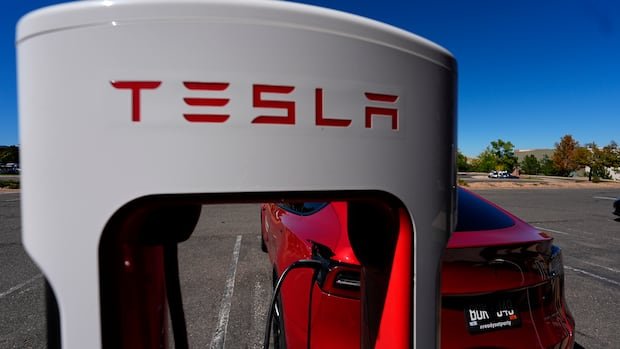
The exact brands and models of the 2,910 vehicles that arrived in May remain unspecified, although Carney mentioned during a recent Economic Club of New York event that the majority are likely to be Chinese-made Teslas. Ottawa brokered a tariff-quota arrangement with China for EVs, with Beijing reciprocating by reducing duties on Canadian canola.
Previously, Canada imposed a 100 percent tariff on Chinese electric vehicles until 2024. However, the current policy permits up to 49,000 Chinese EVs annually into Canada at a 6.1 percent tariff, with a capped quota of 24,500 cars over six months. The resurgence of federal EV rebates, coupled with elevated gas prices due to tensions in Iran, is encouraging more drivers to consider transitioning to electric vehicles.
Electric Mobility Canada, led by Daniel Breton, anticipates that the influx of Chinese EVs will drive down prices in the Canadian market. Breton noted a decline in prices for models like the Chevy Bolt. Meanwhile, Canada’s major automakers, including Ford, General Motors, and Stellantis, expressed concerns about the impact of these imported EVs on the domestic industry, citing cyber risks and China’s divergence from established trade principles.
Overall, the introduction of Chinese-made electric vehicles into Canada is perceived as a potential game-changer for the local automotive sector, with implications for consumer choices and industry dynamics.