
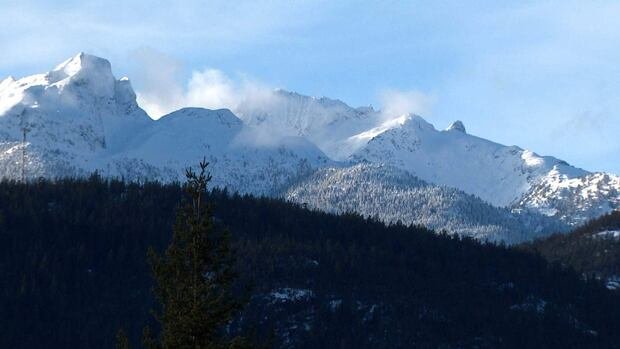
Southern British Columbia is facing a potentially dry summer, as per the latest information from the provincial authorities. The recent report from British Columbia’s River Forecast Centre indicates that low snowpack levels, early snowmelt, and warm temperatures are heightening the likelihood of drought, particularly in the southern regions.
The bulletin emphasizes that spring weather patterns will significantly impact concerns over summer drought conditions. Precipitation levels in April were below average throughout the province, with the southern areas experiencing the most significant deficits. Additionally, temperatures have been consistently above normal, reaching up to 1.5 degrees Celsius higher than the average, leading to rapid snowmelt and a reduced snowpack thickness.
The dry and warm conditions observed in April have persisted into the initial weeks of May. The River Forecast Centre notes a wide range of snowpack levels across British Columbia as of May 1, varying from well above normal to well below average. By the start of May, approximately 15% of the annual snowpack had already melted, a higher rate compared to the typical six percent by this time of year. As of May 7, 28% of the snowpack had already melted.
Looking ahead, Environment Canada’s forecast predicts above-normal temperatures in British Columbia from May to July. Some climatologists suggest the potential occurrence of a “super” El Niño phenomenon this year, characterized by significantly warmer temperatures that could exacerbate drought conditions.
The British Columbia Wildfire Service has imposed restrictions on open fires in various parts of the province due to the dried-out vegetation and increased wildfire fuel caused by recent warm weather. With windy conditions expected over the weekend, there is a heightened risk of wildfires starting. As of May 8 at 1:30 p.m. PT, there are currently 25 wildfires burning in the province, with 76% of them suspected to be human-caused, as any wildfire not initiated by lightning is classified.