
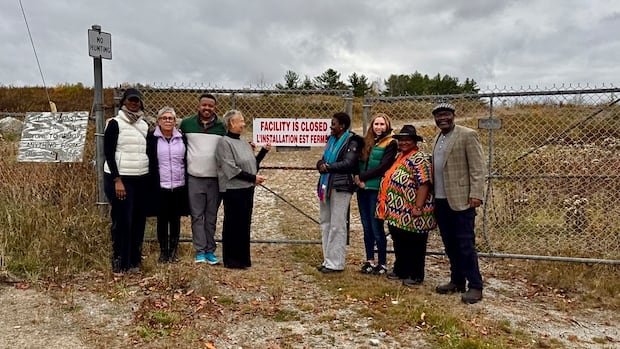
Amnesty International, a global organization known for tackling human rights issues in developing nations, is now involved in a community effort in southwest Nova Scotia. The focus is on providing clean water to African Nova Scotians living near an old landfill in Shelburne.
The landfill, which operated for 70 years before closing in 2016, has raised concerns about water contamination and elevated cancer rates among the approximately 50 Black residents in the vicinity. Amnesty International’s Canadian representatives visited the area in October to listen to local residents’ experiences and ongoing worries.
David Matsinhe, Amnesty’s director of research, policy, and advocacy, expressed shock at the conditions in Shelburne, emphasizing that access to clean drinking water and land rights are essential human rights issues at stake. Following their visit, Amnesty sent a letter supporting residents’ efforts to address environmental and racial injustices to Shelburne town officials.
The organization called for actions such as providing safe drinking water, cleaning up the landfill, and ensuring accountability for what is widely recognized as environmental racism. While Shelburne Mayor Stan Jacklin declined to comment publicly, his involvement with SEED, an environmental justice organization focused on clean water initiatives, was noted.
Louise Delisle, a SEED founder and longtime advocate for environmental justice, welcomed Amnesty’s involvement in the community’s cause. She highlighted the need for reparations due to the adverse effects of environmental racism, including declining property values. Delisle remains optimistic that ongoing efforts, including scientific studies and community projects, will lead to positive changes, such as the establishment of a community well.
The Nova Scotia government’s support for the community well project was acknowledged, although funding details are pending. Delisle’s hope is that, with continued efforts and support, the community will no longer have to rely on bottled water for their daily needs.