
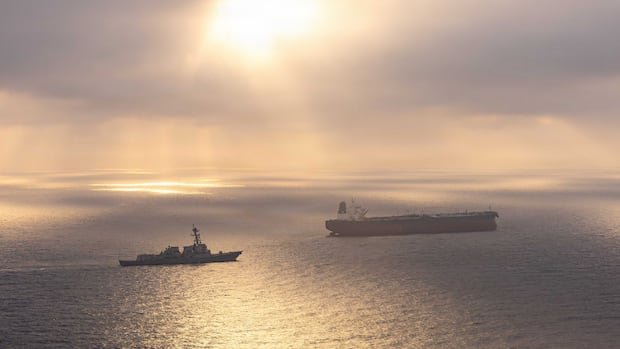
The resolution of the conflict in the Middle East marks a significant milestone, but the real challenge lies in sustaining the agreement and restoring global energy supply chains. Following President Donald Trump’s announcement of a deal, the United States Naval blockade was promptly lifted, signaling a call for oil trade to resume. Although the specifics of the agreement are undisclosed, the reopening of the Strait of Hormuz is now anticipated later this week.
Reestablishing the flow of oil demands more than a mere agreement. Experts anticipate a prolonged period before energy markets can recover from the disruptions caused by the conflict. With approximately 20 million barrels of oil transiting the strait daily under normal conditions, the extended blockade has resulted in a substantial deficit in global oil supply.
Despite some oil shipments managing to navigate alternative routes, a considerable volume of oil remains unaccounted for. Rebuilding the damaged production facilities in the Persian Gulf poses a formidable logistical challenge that may span years. Moreover, the immobilized ships in the gulf, numbering around 1,500, will require extensive maintenance before they can resume operations.
The slow pace of oil tankers further complicates the situation. Even with the strait back in operation, it will take weeks for shipments to reach their destinations. Shell CEO Wael Sawan estimates that it could take up to a year or more for the energy market to stabilize following the disruptions.
While initial optimism surrounding the peace deal led to a decline in oil prices and a surge in stock values, the journey towards restoring energy market equilibrium is expected to be arduous. The fluctuation in gasoline prices mirrors the volatility in oil markets, emphasizing the need for long-term solutions to address the underlying issues of energy supply and flow. Despite progress, uncertainties persist, highlighting the complex and multifaceted nature of achieving stability in energy markets.