
The leader of a First Nation in north-central British Columbia has stated that environmental stewards will ensure accountability from the operators of a nearby copper-gold mine, which has been granted an extension to operate until 2035. The Environmental Assessment Office of British Columbia announced the approval of amendments to the Mount Milligan mine’s environmental certificate, allowing it to continue operations for another 14 years, pending further regulatory approvals. The mine, located approximately 160 kilometers northwest of Prince George, supports around 600 jobs in the region.
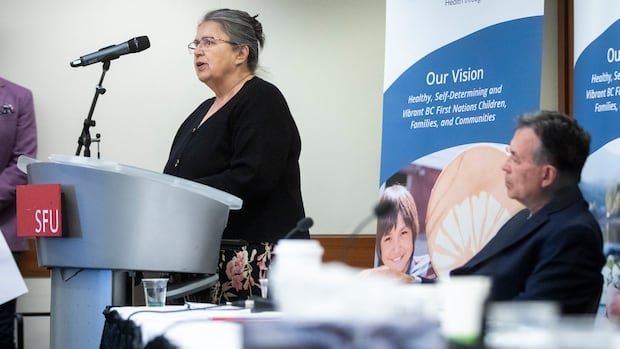
Colleen Erickson, Chief of the Nak’azdli Whut’en First Nation, emphasized that her community actively participated in the consultation process regarding the mine’s extended lifespan. She acknowledged the mine’s significance to the local economy but also stressed the critical importance of clean water for both people and wildlife in the area. Erickson affirmed the commitment of the nation’s environmental guardians to ensure the mine complies with the environmental assessment certificate it has received.
The Nak’azdli reserve, situated near Fort St. James, British Columbia, overlaps with the traditional territories where the Mount Milligan mine operates. The EAO stated that the mine’s extension would lead to an increase in production, from 60,000 to 66,500 tonnes of ore per day, contributing an estimated additional $450 million in economic benefits to the region.
Erickson highlighted the focus of the Nak’azdli guardians on protecting the watershed of the Nation River, considered the last pristine watershed within their territory. During the environmental assessment consultations, concerns were raised about gaps in baseline data collection due to insufficient involvement of First Nations. Consequently, the mine operator, Thompson Creek Metal Company Ltd., a subsidiary of Centerra Gold based in Toronto, is now mandated to involve Nak’azdli guardians in environmental monitoring activities.
The Chief raised concerns about retroactively permitting the discharge of effluents into surrounding waters and urged for strengthened environmental assessment processes. Despite these concerns, Erickson expressed optimism that the extended lifespan of the mine presents an opportunity for the First Nation to enhance its relationship with the operators. The approved amendments also entail an expansion of the mine’s area by 80 hectares and an increase in the height of the tailings storage dam by 26 meters. Additionally, the operators are required to monitor wildlife mortality along transportation corridors and develop a wetland reclamation plan for post-mine closure.