
An ongoing archaeological field school at a national historic site near Fort St. John, British Columbia, is unraveling 12,500 years of First Nations history through the discovery of ancient stone tools and animal remains. Tse’k’wa, owned by Doig River, Prophet River, and West Moberly First Nations, has been a significant ancestral site for the Dane-zaa people for many generations.
West Moberly Elder Laura Webb emphasized the ancient significance of the site, confirming the enduring presence of the Dane-zaa people for over 12,500 years. The artifacts unearthed at Tse’k’wa provide tangible evidence of this enduring history.
Tse’k’wa is among the 57,000 known archaeological sites in British Columbia, showcasing human habitation dating back to the last ice age. The site serves as a platform for the three nations to share their rich history, culture, and language with the public.
While the site is open for public visits, the archaeological work is primarily carried out by students from the University of Northern British Columbia. According to Webb, Tse’k’wa is a gathering place where the community imparts cultural teachings and showcases their harmonious relationship with nature.
The region’s history includes the presence of giant bison in the ancient grasslands, with the landscape evolving from grassland to boreal forest following the retreat of a glacial lake. Additionally, the site is believed to have ritual significance, as evidenced by the burial of two ravens a thousand years apart, resonating with various Indigenous spiritual beliefs.
Various significant findings at Tse’k’wa, such as stone tools, animal bones, obsidian fragments, and a 10,500-year-old stone bead, have shed light on the ancient practices and adornments of the Dane-zaa people. These discoveries align with the oral traditions passed down through generations.
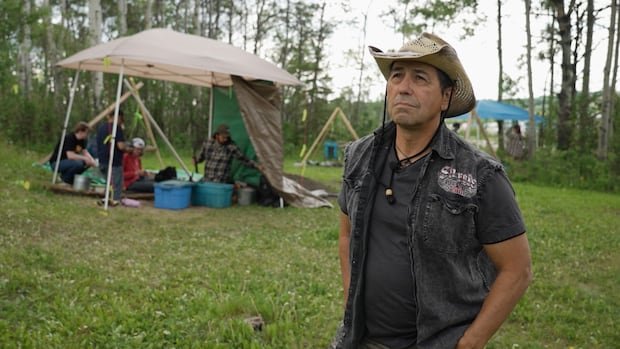
Garry Oker, an elder from Doig River First Nation, highlighted the alignment of the artifacts with the ancestral stories, emphasizing the importance of connecting these archaeological findings with their cultural narratives. The Tse’k’wa Heritage Society, established in 2012 by the three nations, aims to preserve the site as an educational center for cultural teachings and community events.
The name “Tse’k’wa” translates to “rock house” in the Dane-zaa Záágéʔ language, referencing the cave at the site. Visitors can explore the site, following a trail lined with informative signs detailing the oral history and its reflection in the archaeological record.
Alyssa Currie, the executive director of the Tse’k’wa Heritage Society, emphasized the importance of preserving Dane-zaa cultural heritage and sharing their stories with the broader community. The archaeological artifacts found at the site serve as tangible links to the enduring Dane-zaa narratives.
Overall, the ongoing archaeological excavations at Tse’k’wa are unveiling a rich tapestry of Indigenous history, spanning millennia and offering valuable insights into the cultural practices and customs of the Dane-zaa people.