
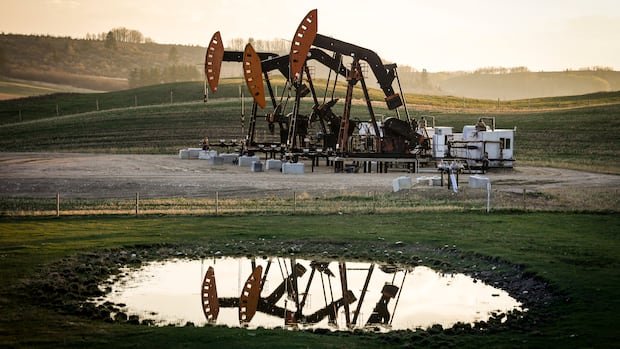
Canada’s economy demonstrated signs of recovery with a 0.5% growth in April, reversing a trend of sluggish and negative economic performance. The increase in real gross domestic product was mainly driven by growth in the mining, quarrying, and oil and gas extraction industries, according to the latest report from Statistics Canada released on Tuesday.
The mining, quarrying, and oil and gas extraction sector saw a 2.9% increase in April, the largest monthly growth rate since February 2024, offsetting the 1.4% contraction in March. This growth comes at a time when there are concerns about Canada’s economic state, following reports of GDP contractions in the first quarter of 2026 and the last quarter of 2025, raising fears of a possible recession. Additionally, the looming deadline for the Canada-U.S.-Mexico Agreement review has added to economic uncertainties due to the impact of U.S. tariffs on Canadian goods.
In April, oil and gas extraction recorded a significant 3.7% increase, with oil sands extraction leading the growth. The industry expanded by 6.6% in April, driven by higher synthetic crude oil production following unscheduled maintenance that had tempered growth in the preceding months.
Apart from the natural resources sector, other industries also saw growth in April, including manufacturing (0.6%) and the public sector (0.4%). Federal government public administration expanded for the first time in four months, while defense services saw growth for the seventh consecutive month. Fourteen out of 20 industrial sectors experienced growth during this period.
The report highlighted that April’s GDP growth slightly exceeded the 0.4% forecasted by Statistics Canada in its previous report. Analysts cautiously welcomed this growth as a positive shift from the earlier sluggish economic performance. They noted that while the monthly data points are volatile, the growth is encouraging, especially with the potential impact of higher gasoline prices on consumer spending.
Looking ahead, early estimates suggest that growth may moderate but continue with a 0.1% increase in May, supported by growth in finance, insurance, real estate, and leasing sectors. Despite the positive growth indicators, economists remain cautious about potential revisions in economic data and emphasize the need for continued monitoring of key economic indicators.
The Bank of Canada is scheduled for its next interest rate decision on July 15, with analysts forecasting no change in the overnight rate for the rest of the year. Overall, experts view the rebound in economic growth in the second quarter as a positive sign for the Canadian economy, indicating a recovery from the previous quarters’ sluggish performance.