
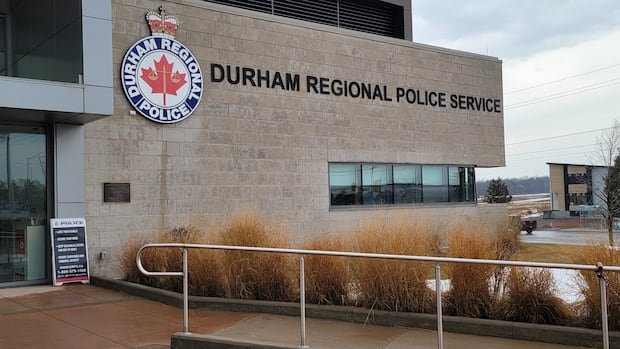
Several Durham police officers diagnosed with post-traumatic stress disorder (PTSD) feel abandoned by the service from the moment they took mental health leave and claim to have received inadequate support. They describe a workplace environment where private medical information is mishandled, and senior management insinuate that some members fabricate mental health issues. Returning officers are labeled as “broken toys,” leading to a detrimental impact on their careers, according to multiple sources.
Chief Peter Moreira refutes these claims, asserting that mental health support is a top priority for the service. He acknowledges the challenges posed by a significant number of officers on leave but emphasizes that efforts are made to address staffing shortages without stigmatizing individuals. Despite Moreira’s assurances, all six officers interviewed by CBC News express feeling neglected by the DRPS and report a lack of proactive outreach from the organization.
The officers, whose identities are protected with pseudonyms, highlight instances where their confidential medical details were inappropriately shared within the workplace. They reveal concerns about a prevailing culture that discourages officers from taking mental health leave, with some suggesting that the situation has worsened under Moreira’s leadership. The chief, however, denies allegations of privacy breaches and asserts that medical records are strictly managed by designated wellness specialists.
In addition to privacy issues, officers point to a culture within the DRPS that prioritizes staffing needs over the well-being of its members. Some officers claim to have encountered internal stigma, with senior officers implying that taking mental health leave exacerbates staffing challenges. Moreira acknowledges the strain caused by absent members but underscores the service’s commitment to supporting those seeking treatment and recovery.
Returning officers describe feeling marginalized within the police community, noting a lack of respect and trust upon their reintegration. They express concerns about being viewed as liabilities and face mockery and discrimination for disclosing mental health struggles. The officers stress the need for a more compassionate and supportive approach from the service to address mental health issues effectively.
While Moreira highlights the availability of mental health resources within the DRPS, officers lament a lack of meaningful contact or support during their leave. Despite the chief’s claims of robust wellness services and open dialogue on mental health, officers report feeling disconnected and isolated from the service. Concerns are raised about the absence of supportive communication from supervisors and a perceived focus on operational needs over the welfare of individual officers.
In response to criticisms, Moreira asserts that efforts are being made to improve communication with officers on leave. He mentions the appointment of a reintegration officer tasked with maintaining contact with members during their recovery process. However, some officers express skepticism about the sincerity of these efforts, citing a history of neglect and insensitivity from the service.
The officers’ accounts shed light on the challenges faced by those dealing with mental health issues within the police force. Despite the DRPS’s purported commitment to mental health support, there remains a disconnect between the organization’s rhetoric and the lived experiences of its officers. The need for a more empathetic and proactive approach to mental health within law enforcement is underscored by the officers’ testimonies.