
Minneapolis, like several other predominantly Democratic cities, has become a focal point for the Trump administration, deploying numerous masked and armed agents to conduct raids on businesses and residences, targeting individuals believed to be unlawfully present in the United States. President Donald Trump, since the commencement of his second term, has dispatched federal and immigration officers to cities he claims are plagued with crime, such as Los Angeles, Washington, Chicago, and Charlotte, N.C. However, Minneapolis has experienced a higher concentration of federal agents, facing sustained resistance from residents and instances of fatal violence.
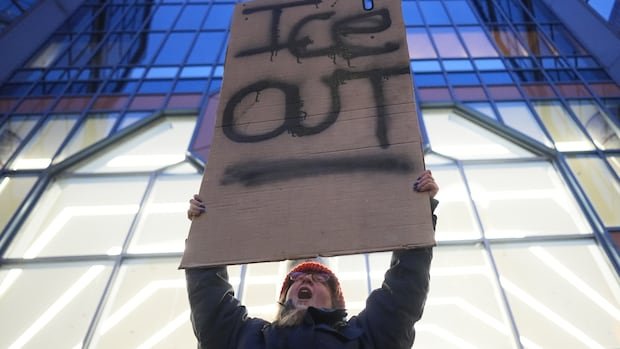
Federal agents were first deployed to Minneapolis and St. Paul in early December, but on Jan. 6, the Department of Homeland Security (DHS) announced the addition of 2,000 more federal agents to the cities. This announcement led to widespread protests by thousands of individuals demanding the removal of ICE from their city on a daily basis. Subsequently, two U.S. citizens were fatally shot by ICE agents in Minneapolis, and a five-year-old child was detained alongside his father.
The presence of ICE agents in Minnesota was initiated following a targeted operation at the University of Minnesota last fall, linked to alleged fraud. DHS Secretary Kristi Noem hinted at further deployments of federal agents to the Twin Cities during a press conference related to the operation. Trump’s disparaging remarks against Somali immigrants and subsequent actions fueled tensions. Minnesota, home to the largest population of Somali immigrants in the U.S., witnessed numerous ICE raids and arrests in December.
Minnesota Democratic Rep. Ilhan Omar, of Somali descent, reported incidents of racial profiling within her community by ICE agents. The ensuing weeks saw a spike in arrests, including cases where individuals claimed they were targeted based on race. The surge of 2,000 additional ICE agents into Minneapolis on Jan. 6, labeled as the agency’s largest immigration operation, elicited strong reactions and protests from the public.
The crackdown in Minnesota was linked to recent fraud scandals in the state involving Somali Americans. Governor Tim Walz and other Democrats criticized Trump for generalizing blame on the entire diaspora for the actions of a few individuals. The surge of ICE agents to the Twin Cities was perceived as a direct response to these incidents. Protests intensified following the fatal shooting of Renee Nicole Good by an ICE agent, leading to further high-profile incidents and clashes with law enforcement.
Efforts towards de-escalation ensued, with Trump engaging in constructive discussions with Gov. Walz and Mayor Frey. Following these discussions, Mayor Frey indicated that federal agents could begin withdrawing from the city. However, as of Tuesday, immigration agents remained active in the Twin Cities region, with uncertainties surrounding potential changes in tactics following the shift in communication from the White House.