
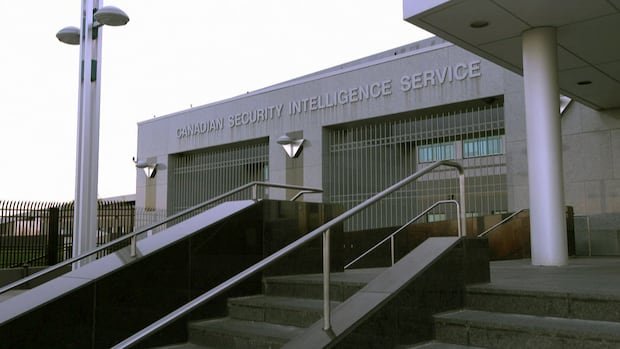
The Canadian Security Intelligence Service (CSIS) recognizes that its past investigations involving Indigenous communities have led to enduring mistrust, but officials affirm a commitment to reform. In a recent meeting with CBC Indigenous at the CSIS headquarters in Ottawa, two agency representatives, who requested anonymity, emphasized that the organization is moving away from previous controversial practices.
Gone are the days of CSIS’s extensive “Native extremism” program, which targeted Indigenous activists as potential domestic extremists and terrorists in nationwide probes during the 1990s. The first CSIS official acknowledged that recent coverage by CBC Indigenous served as a historical reflection and a learning opportunity for the agency.
Declassified documents reveal the escalation of intrusive surveillance of Indigenous groups from 1988 to 1999, including involvement in the Ipperwash and Gustafsen Lake incidents in 1995. Critics have described the program as overreaching and biased, with the agency maintaining a network of informants and police contacts until at least 1999.
CSIS officials highlighted a shift towards building trust through partnerships with organizations like the Assembly of First Nations and Inuit Tapiriit Kanatami, commencing in 2022 with outreach to Inuit leaders to address concerns about foreign interference in the North. The agency now prioritizes information sharing over traditional intelligence collection methods.
Despite these efforts, progress in fostering relationships with Indigenous communities has been limited, with reports of persisting mistrust. Activist Katsi’tsakwas Ellen Gabriel expressed skepticism about CSIS’s ability to reform, citing historical surveillance and labeling of activists as justification for continued distrust.
CSIS officials emphasized the importance of collaboration with Indigenous organizations, signaling a departure from traditional security approaches confined to government offices. However, challenges remain in engaging grassroots activists who are often at the forefront of community issues.
The CSIS official attributed this shift to various events in the past decade, including Prime Minister Justin Trudeau’s reconciliation agenda, the Truth and Reconciliation Commission, and societal reckonings with racism following high-profile incidents like the killing of George Floyd and the discovery of unmarked graves at residential schools. The enactment of legislation implementing the UN Declaration on the Rights of Indigenous Peoples was highlighted as a significant step towards progressive policies within CSIS.
Despite these advancements, Gabriel underscored the absence of a formal apology, voluntary transparency, and safeguards against regression into past practices. She criticized CSIS for its past actions, emphasizing the lack of accountability for privacy violations and unjust labeling of Indigenous individuals.
Ultimately, the ongoing efforts by CSIS to rebuild trust with Indigenous communities are met with cautious optimism amidst lingering concerns about past injustices and the need for genuine accountability and transparency moving forward.