
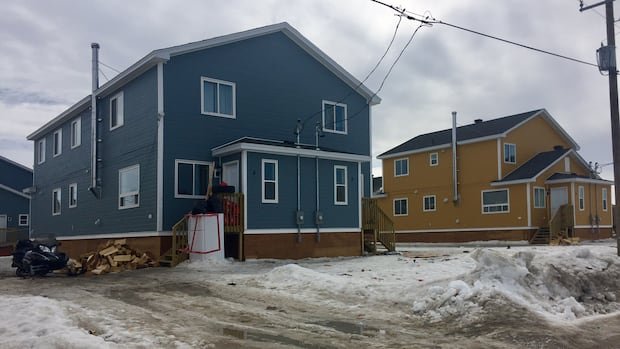
Frustrations are rising in a remote First Nation community as efforts are being made to evacuate residents due to water issues. Kashechewan First Nation Chief Hosea Wesley declared a local state of emergency because the water treatment plant was not functioning properly. The Cree community, home to approximately 2,300 people along northern Ontario’s James Bay Coast, is struggling to obtain an adequate supply of bottled water.
The malfunction of pumps at the water treatment plant in early December led to the inability to treat drinking water by mixing in necessary chemicals. Subsequently, the wastewater treatment plant also experienced failures with raw sewage intake. In response to the crisis, community leaders requested military assistance during a call with Indigenous Services Canada to facilitate a full evacuation to northeastern Ontario cities such as Timmins and Kapuskasing.
Tyson Wesley, the executive director of Kashechewan First Nation, reported that one flight to Timmins and five flights to Kapuskasing had been arranged by Thursday morning. Indigenous Services Canada spokesperson Eric Head mentioned that the Loomex Group, a provincial vendor, was tasked with managing the evacuation of 500 vulnerable individuals to Timmins and Kapuskasing, with plans underway for the evacuation of the rest of the community.
As the situation worsened, Wesley emphasized the urgent need for help, expressing disappointment in the response received so far. Timmins Mayor Michelle Boileau confirmed the city’s readiness to accept approximately 35 evacuees from Kashechewan, particularly those with medical requirements. Meanwhile, crews were relocating the community’s clinic to an elementary school due to a sewage backup linked to the water treatment plant issues.
Efforts to address the water treatment plant problems involved deploying workers from Northern Waterworks to begin necessary repairs promptly. The recurring issue of yearly evacuations, primarily during the spring, stems from the community’s location on a flood plain along the Albany River. Discussions about relocating the First Nation to a safer area have been ongoing for years, with funding approved for planning studies. Wesley stressed the importance of finalizing the relocation before investing in a new water treatment plant for the current site.