
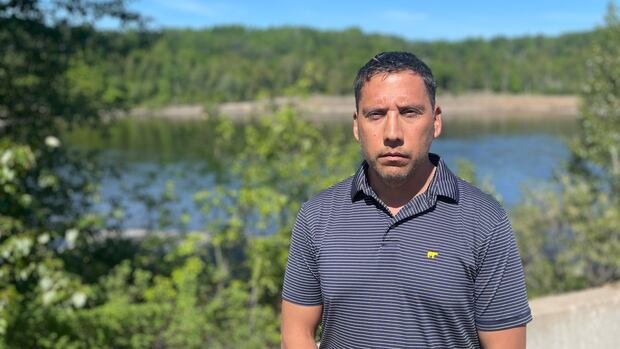
Leonard Nicholas, the fishery strategy director of Tobique First Nation, views Atlantic salmon in a unique light, considering them as relatives or ancestors. He emphasizes the importance of preserving them due to their longstanding presence alongside humans. The Tobique River, part of the Wolastoq system, once teemed with tens of thousands of salmon in the 1980s, but now sees only a few hundred returning annually to the Mactaquac Dam.
Despite the declining salmon population, efforts by the Department of Fisheries and Oceans’ Mactaquac Biodiversity Facility have been crucial in sustaining the species. UNB biologist Tommi Linnansaari likened the situation to keeping a patient alive but not in good health, as the facility serves as a lifeline for the salmon.
The facility’s closure in the upcoming fall raises concerns about the future of the Wolastoq salmon, also known as outer Bay of Fundy salmon. This move poses challenges for First Nations communities and biologists, who fear the potential extinction of the salmon species in the region.
Nicholas expressed disappointment at the sudden closure announcement and the lack of support from DFO in transporting and raising juvenile salmon. In response, he and his team have taken on the responsibility of collecting and caring for the smolts coming through the fishway, with assistance from the Canadian Rivers Institute at UNB.
The struggle to protect the salmon population extends to the classification of Wolastoq salmon as an endangered species. Despite scientific assessments highlighting the threats posed by dams, invasive species, pollution, and climate change, the federal government has yet to formally recognize the salmon’s endangered status under the Species at Risk Act.
The complexity of the decision-making process, influenced by political, socio-economic, and environmental factors, has stymied efforts to secure endangered status for the salmon. This bureaucratic inertia has frustrated conservationists like Linnansaari and Perley, who advocate for stronger conservation measures to save the imperiled salmon population.
The closure of the Mactaquac Biodiversity Facility and the uncertain fate of the Wolastoq salmon have sparked concerns among Indigenous communities, researchers, and environmentalists. The ongoing debate over the endangered status of the salmon underscores the need for collaborative efforts to protect and restore the dwindling salmon population in the Wolastoq region.