
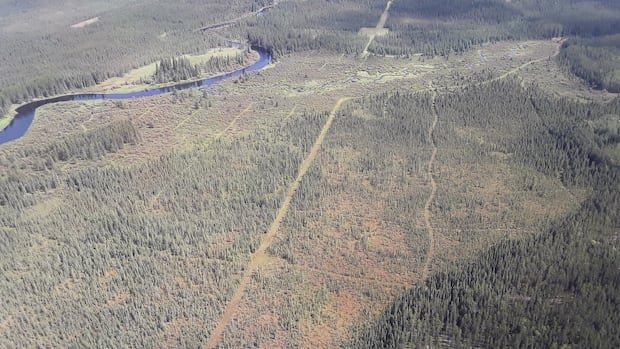
A recent study by researchers at the University of Waterloo suggests that the extensive network of seismic lines carved into Canada’s boreal peatlands for oil and gas exploration may be exacerbating climate change. These seismic lines, which have been created in regions like B.C., Saskatchewan, and Alberta to accommodate surveying equipment, have caused significant damage to the forests. In Alberta alone, there are approximately 345,000 kilometers of seismic lines, which would circle the Earth nine times if laid end-to-end.
The study, which involved field measurements in the Peace River region of Alberta, found that methane emissions from these seismic lines are significantly higher compared to adjacent undisturbed peatlands. Methane, a potent greenhouse gas with 80 times the heat-trapping power of carbon dioxide, is released due to the waterlogged conditions created by the disturbance of the peatland surface during the construction of seismic lines.
Lead author Percy Korsah emphasized the concerning increase in emissions along these lines in various countries, including the U.S., Russia, and Scandinavia. The study highlights the need for restoration efforts to mitigate the impact on climate change.
Concerns have been raised about the lack of legal obligations for companies to restore seismic lines once exploration activities are completed. However, initiatives like Alberta’s restoration program, which has planted millions of trees to restore the lines and protect habitats, show some progress.
Further research is deemed essential to accurately measure methane emissions and understand the long-term impacts on peatlands. Experts stress the importance of strategic restoration efforts to prioritize areas for maximum environmental benefit. Encouraging the industry to adopt practices that minimize the need for seismic lines is seen as a crucial step in combating climate change.