
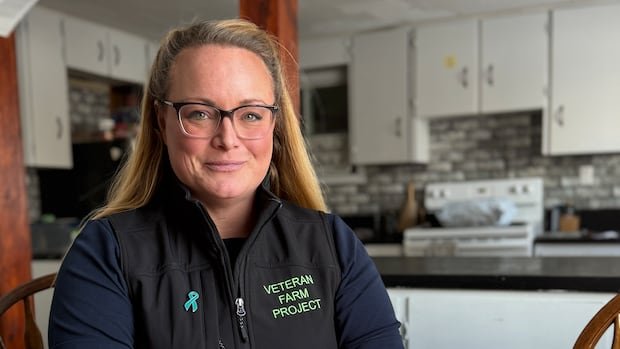
Five members of the Women Veterans Council in the Canadian Armed Forces have resigned due to what they perceive as a lack of supportive institutional conditions necessary to facilitate impactful work. The council, comprised of 12 individuals, was established last year as a recommendation from the “2024 Invisible No More Report,” which highlighted the neglect of female veterans’ unique medical and physical needs by military and veterans programs.
Jessica Miller, a former CAF member who departed from the council, expressed concerns about ongoing sex-based discrimination within the government and the Canadian Forces, emphasizing that the Invisible No More initiative has not received the attention it deserves. In an open letter to the Canadian women veterans community, the departing members cited a lack of clear direction, credible engagement methods, decision-making influence, and dedicated resources as reasons for their resignation.
Miller, a retired sergeant from Sweets Corner, N.S., shared that the council initially showed promise in addressing long-standing issues affecting women, such as inadequate equipment, disability support, and reproductive health services. However, communication breakdowns, unmet expectations, and restrictions on engaging with the community hindered the council’s effectiveness.
The departing members expressed frustration over the lack of response from government officials, feeling constrained in advocating for women veterans’ needs. Despite their expertise and commitment, they were restricted from direct communication with the community and faced challenges in translating recommendations into tangible outcomes.
Minister of Veterans Affairs Canada, Jill McKnight, acknowledged the contributions of the departing members and expressed openness to alternative forms of advocacy. Conservative MP Blake Richards highlighted a recurring pattern of dissatisfaction among CAF members involved in addressing systemic issues within the council, underscoring the need for more effective collaboration and meaningful action.
Overall, the departure of these council members sheds light on the ongoing challenges faced by women veterans and underscores the importance of ensuring their voices are heard and their needs are addressed within military and veterans support programs.