
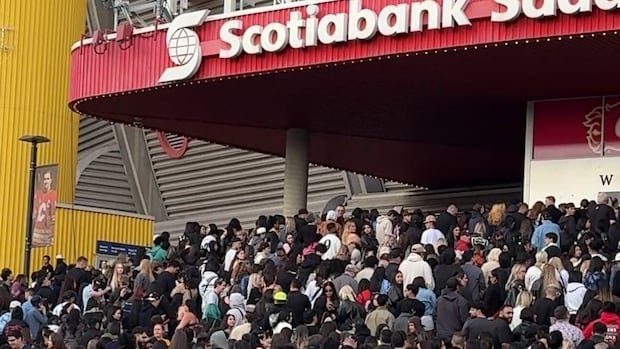
Amandeep Walia eagerly anticipated watching Ne-Yo and Akon perform in Calgary for months. However, he and his spouse ended up spending numerous hours waiting at the Scotiabank Saddledome – first in line and then for the show to commence. “I’ve never encountered such a significant delay before, so I wasn’t expecting it,” Walia remarked. The evening set them back approximately $700, encompassing tickets, a babysitter, and refreshments.
Attendees with floor and lower level seats were confined to the concourse while the venue was still being readied, preventing them from reaching their seats promptly. Walia expressed concerns about the lack of organization and considered it a potential safety risk.
Initially scheduled for 8 p.m., the Jun. 20 concert was rescheduled to 9 p.m., but the performance did not kick off until around 10:45 p.m. Walia emphasized that the issue extended beyond getting home late and praised the show once it began, lamenting the missed opportunity for a full experience due to the delay.
The Calgary concert isn’t the sole high-profile event this summer that left attendees waiting. Jay-Z’s final show at Yankee Stadium in New York on Jul. 12 began well after midnight, approximately four hours late, due to security concerns. Additionally, heavy rain caused Harry Styles to postpone a show in Mexico City, affecting the opening act as well.
Entertainment lawyer Kurt Dahl highlighted that concert tickets offer limited rights, typically guaranteeing only the purchased seat and part of the show. He explained that the flexibility in event schedules is intended to accommodate unforeseen circumstances common in the industry.
Ashish Sharma from the Consumers Council of Canada noted the absence of statutory rights for concerts delayed by hours and emphasized the importance of prompt communication with ticket holders in such situations. As consumers invest more in live entertainment, the cost of attending events extends beyond ticket prices, encompassing various expenses like accommodations and time off work.
While concert delays may not automatically warrant refunds, consumers can exert influence through public pressure to prompt changes in the industry’s practices. Walia suggested that partial refunds or credits for future shows could be fair compensation for such delays.