
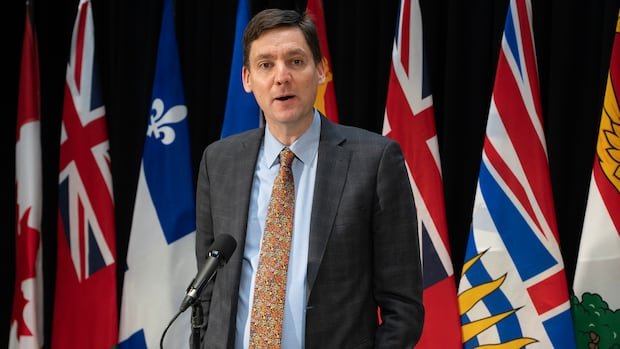
B.C. Premier David Eby condemned Alberta separatists for engaging with the U.S. administration to seek financial support, labeling it as an act of “treason.” The issue of national sovereignty took center stage during a meeting among the premiers and Prime Minister Mark Carney in Ottawa. Eby criticized the reported meetings between members of the Alberta Prosperity Project, a separatist group advocating for independence, and U.S. officials. The group is reportedly pursuing a $500 billion US line of credit from the U.S. Treasury to fund their potential new nation after a successful referendum.
An official from the U.S. State Department acknowledged the meetings but clarified that no commitments were made, emphasizing that such engagements with civil society are routine. Eby expressed disapproval of seeking foreign assistance to weaken Canada, especially from a president known for disregarding Canadian sovereignty. He stressed the importance of upholding Canada’s unity without resorting to external influences to divide the nation.
In response to Eby’s comments, Alberta Prosperity Project co-founder Jeffrey Rath criticized them as “defamatory,” characterizing Eby’s remarks as a tantrum from a partisan perspective. Rath welcomed Eby’s statements, citing them as a sign of effective engagement in the discourse. Alberta Premier Danielle Smith affirmed her support for a united Canada, despite criticism for facilitating an independence petition process.
Following the closed-door meeting, Smith urged the U.S. administration to respect Alberta’s democratic process and refrain from interference. Carney echoed this sentiment, emphasizing the need for mutual respect and collaboration between the two countries. Despite speculations about potential discussions on Alberta’s separation, Carney emphasized that President Trump had not raised the issue during their conversations.
The escalating separatism concerns prompted Ontario Premier Doug Ford to call for decisive action, urging an end to the ongoing discussions surrounding Alberta’s independence. Meanwhile, organizers of the Alberta independence movement continue their efforts to gather signatures for a potential referendum, traversing the province to secure support.
Notably, recent comments from U.S. officials and politicians expressing support for Alberta’s independence have fueled the separatist movement. Despite vocal proponents, public opinion polls indicate that the pro-independence sentiment remains a minority in Alberta. The movement faces challenges amid broader discussions on national unity and potential sovereignty referendums in both Alberta and Quebec.
In Quebec, Parti Québécois Leader Paul St-Pierre Plamondon’s pledge of a third independence referendum if elected has reignited tensions with Ottawa. Disagreements over historical narratives and national identity have intensified, with St-Pierre Plamondon emphasizing Quebec’s distinctiveness within Canada. The prospect of foreign interference in sovereignty referendums remains a concern, as Canadian security agencies brace for possible external influence in the political discourse.