
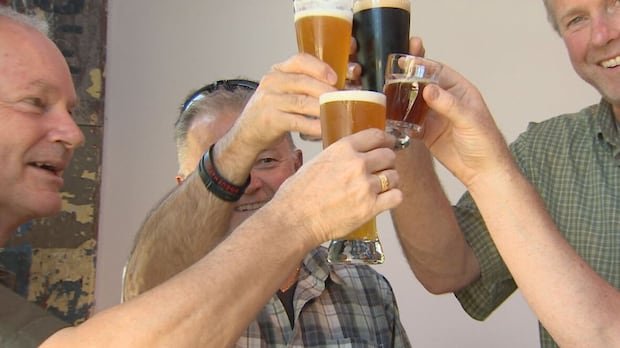
After a period of significant expansion in the craft beer sector, the industry is now experiencing a slowdown. Beer sales are decreasing, and the number of breweries in Canada is on the decline due to various factors like cost pressures and evolving consumer preferences.
Ben Leon, co-founder and CEO of Dandy Brewing in Calgary, acknowledged the need for a correction in the industry after witnessing explosive growth. He highlighted that while the craze for craft beer in the 2010s may have subsided, some businesses are innovating by diversifying their offerings and redefining the concept of a brewery.
In 2014, Leon launched his brewery in a small warehouse in Calgary, capitalizing on the surge in demand for craft beer among millennials and supportive regulatory changes in Alberta. However, the initial enthusiasm for craft breweries has tapered off, leading to a contraction in the number of breweries nationwide.
The Canadian Craft Brewers Association noted the excitement that surrounded the craft beer boom, with breweries being seen as economic drivers and community revitalizers. Despite the industry’s golden age persisting into the early stages of the COVID-19 pandemic, recent years have seen a plateau and decline in brewery numbers.
Jason Foster, a beer writer and analyst, observed a significant slowdown in brewery growth, with a notable decrease in the number of breweries in Canada. This trend has impacted both craft brewers and larger beer companies, with overall beer sales experiencing a gradual decline over the past few years.
Evil Corporation Brewing, a Calgary-based brewery, faced challenges securing funding during the pandemic, leading to its closure in 2025 as consumer preferences shifted away from craft beer. This closure reflects broader industry trends where breweries are adapting to changing consumer behavior and market conditions.
Beer Canada highlighted the declining beer sales trend, attributing it to various factors like changing consumer habits, affordability concerns, and taxation issues. The industry is facing pressures from reduced dining out, shifting drinking habits among younger demographics, and the increasing popularity of alternative beverages.
While some breweries have struggled, others are finding success by diversifying their offerings and enhancing the brewery experience. Successful taprooms are now focusing on providing quality food options, hosting events, and expanding their beverage menus to include non-alcoholic options and ready-to-drink cocktails.
In conclusion, the craft beer industry is undergoing a transformation as breweries navigate changing market dynamics and consumer preferences. Despite challenges, there are opportunities for breweries to innovate and adapt to ensure their long-term success in a competitive environment.