
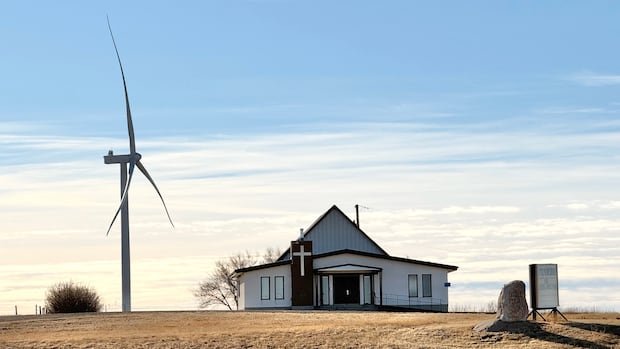
Two years after lifting the “pause” on new wind and solar farm approvals, 14 major renewable energy projects in southeastern Alberta are still pending construction. Analysts attribute this delay to an uncertain sector outlook, driven by upcoming changes in cost structures and the energy market in Alberta. This situation has created ambiguity for counties and rural municipalities, concerned about the pace and scale of renewable energy development, while also seeking investment to support their tax bases.
Neil Johnson, a councillor in Newell County, highlights the potential benefits of wind and solar projects in boosting the region’s tax revenue. Despite opposition at land-use hearings, some politicians like Johnson advocate for green power initiatives. Cypress County councillor Dustin Vossler has been advocating for stringent regulations to protect agricultural land from solar development.
Surrounding areas like Cypress County and Newell County have multiple approved projects awaiting developer confirmation. The Alberta Electric System Operator is finalizing new regulations, including a system to allocate transmission line connection costs to plant owners. The implementation of a “Restructured Energy Market” is expected in 2027, influencing the business plans of renewable energy companies and leading to project delays.
Premier Danielle Smith has emphasized the need for more gas-fired plants to prevent price spikes and shortages, sparking debate among proponents of green energy. Municipalities like Vulcan County are taking action to ensure responsible development, aiming for a balance between economic benefits and environmental considerations.
Utility firms in southeastern Alberta are requesting extensions for construction deadlines due to ongoing shifts in the power landscape. Concerns over the rural tax base are mounting, with renewable energy projects playing a significant role in enhancing tax revenues for municipalities. The potential closure of marginal oil and gas wells poses a challenge for rural areas heavily reliant on these industries for tax revenue diversification.