
Communications between the Trump administration and Alberta’s separatist movement have caused concern at the highest levels in Canada. The interactions have sparked speculation about Washington’s intentions, with some drawing comparisons to past Russian efforts to stoke separatism in eastern Ukraine.
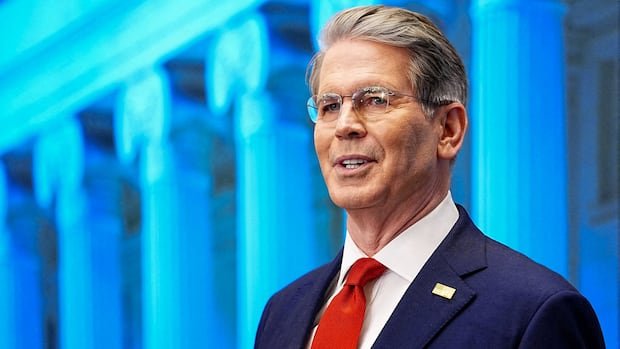
A group advocating for Alberta separatism has openly discussed holding a referendum on whether the province should remain part of Canada. U.S. Treasury Secretary Scott Bessent mentioned the possibility of such a referendum following meetings with the group.
According to a U.S. State Department spokesperson, the department regularly engages with civil society representatives, but no commitments were made during these routine meetings. Alberta separatist Jeffrey Rath claimed that at least one meeting took place in a highly secure room designed to prevent foreign intelligence eavesdropping.
Political experts like Maria Popova and Patrick Lennox view these meetings as part of a broader strategy to undermine Canadian sovereignty. They suggest that the U.S. is employing various tactics, including information warfare, to destabilize Canada.
Additionally, influencers associated with the Make America Great Again movement, like Matt Wallace, have shown support for Alberta separatists online. This support is seen as an attempt to exploit perceived separatist sentiments in Alberta.
The article also discusses parallels between the situation in Alberta and the events in the Donbas region of Ukraine in 2014, where Russian-backed separatists took control. There are concerns about the potential consequences of external interference in Alberta’s internal affairs and the impact on Canadian unity.
Furthermore, the article touches on the role of social media in shaping narratives around Alberta separatism, drawing comparisons to Russian propaganda tactics used in Ukraine. The spread of disinformation and manipulation of public opinion are highlighted as potential threats to national unity.
Overall, the interactions between the Trump administration and Alberta separatists have raised questions about foreign interference and its impact on Canada’s internal stability and unity.