
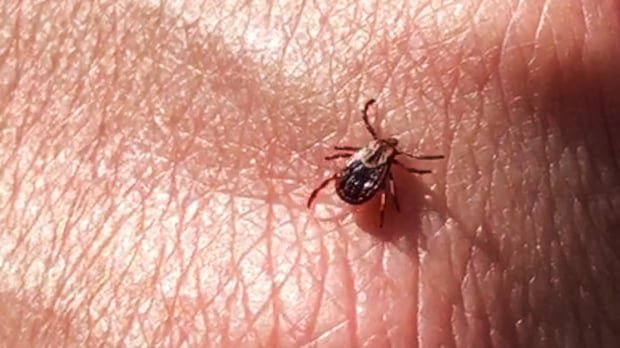
With rising temperatures annually, ticks are increasing in Canada and moving north from their usual breeding locations. These blood-sucking arachnids can spread severe illnesses, so it’s crucial to be prepared. Cardiologist and epidemiologist Dr. Christopher Labos recently discussed summer safety tips on CBC’s Daybreak North. Here’s what you need to know to stay safe during the warmer months.
To protect yourself from ticks, especially in wooded areas with high grass, wear long pants tucked into socks, long sleeves to cover your arms, and use insect repellent containing DEET to keep ticks away.
After being outdoors, remove your clothes and put them in the dryer. Check your skin for ticks, as prompt removal within 24 hours reduces the risk of infection transmission.
If you find a tick, use tweezers to gently pull it off without twisting to prevent leaving any parts embedded in the skin. Seek medical attention if unsure or if symptoms develop in the following days.
Early treatment is crucial to prevent the spread of bacterial infections like Lyme disease. Symptoms may include muscle aches and fatigue, with a distinctive rash that can vary in appearance. Treatment typically involves antibiotics for about two weeks, with longer courses only in severe cases.
If concerned about tick-borne illnesses, consult a doctor for appropriate testing covered by Medicare. Stay vigilant and take necessary precautions to avoid tick bites and potential health risks during the summer months.