
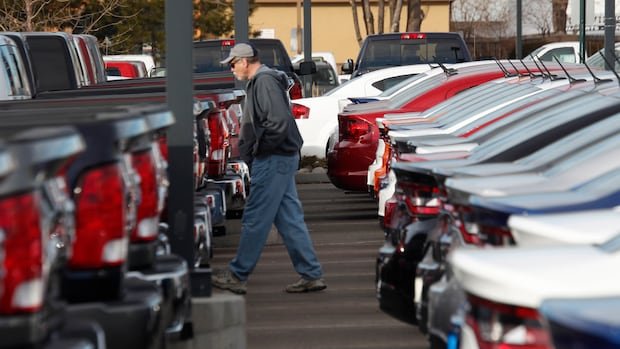
The affordability issue in the U.S. car market is becoming increasingly challenging, potentially pushing more Americans towards used cars and exposing automakers to competition from lower-priced alternatives. The debate among lawmakers has been split along party lines, with Republicans attributing the problem to environmental and safety regulations, while Democrats point to President Trump’s tariffs. However, a review of industry data by Reuters reveals that the root cause lies in automakers offering fewer budget-friendly models and focusing more on premium, larger vehicles, driving the average vehicle price in the U.S. to approximately $47,000.
This shift towards luxury vehicles underscores the widening wealth gap in the U.S., where affluent consumers are driving a significant portion of spending while middle- and lower-income individuals face challenges. As a result, the demographic of car buyers in America has skewed towards the wealthier end, leaving many in the lower- and middle-class segments resorting to the used car market.
The limited availability of affordable options has posed a dilemma for consumers like Sarah Merriman from Delaware, who is struggling to find a replacement for her leased Ford Mustang Mach-E electric SUV within her budget constraints. This affordability issue not only impacts consumers but also presents a vulnerability for traditional automakers, who risk losing market share to potential new entrants like Chinese brands targeting underserved segments.
The focus on affordability has gained prominence in discussions ahead of the midterm elections, with the Trump administration emphasizing the need to lower vehicle prices by relaxing fuel-economy standards. The industry’s affordability debate revolves around the average transaction price, which has surged by 40% over the past year to reach $47,000, driven by increased demand for pricier trucks and SUVs.
The proliferation of higher-priced models contrasts sharply with the limited availability of budget-friendly options, leading to a significant shift in the income distribution of car buyers. While households earning $100,000 or less previously accounted for the majority of new vehicle purchases, their share has declined to 36% in recent years, reflecting a K-shaped economy in the automotive sector.
Automakers have capitalized on this trend by phasing out smaller, less profitable models in favor of high-margin SUVs and trucks. This strategic shift has boosted profits despite lower sales volumes, with core profit margins on larger vehicles exceeding 20%. While some manufacturers like GM have introduced entry-level SUVs to cater to budget-conscious buyers, the overall industry trend leans towards pricier offerings.
In response to consumer demand for more affordable options, Ford has announced plans to introduce several models priced below $40,000 by the end of the decade, including a budget-friendly electric vehicle. Similarly, Stellantis is focusing on enhancing affordability within its Jeep brand by offering value-added features at lower costs to attract customers and regain market share lost due to higher pricing strategies.