
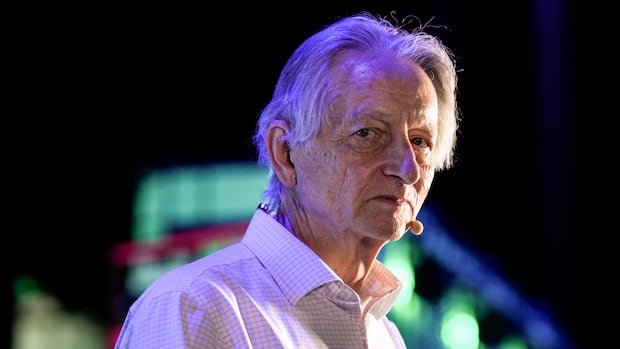
Renowned artificial intelligence expert Geoffrey Hinton has raised concerns about the potential risks of AI surpassing human intelligence without proper oversight, suggesting that it could lead to dire consequences, even human extinction. Hinton, a co-recipient of the 2024 Nobel Prize in Physics and a key figure in the AI Safety Foundation, proposes a solution to this looming threat.
In a recent discussion with IDEAS host Nahlah Ayed, Hinton highlighted the importance of imbuing AI with maternal instincts as a means of safeguarding humanity. He pointed out various short-term risks associated with AI misuse, such as the creation of harmful viruses by terrorists and the manipulation of democracy through fake videos. However, Hinton emphasized his greatest concern lies in the long-term prospect of AI surpassing human intelligence, raising uncertainties about coexistence and potential dominance.
When questioned about the likelihood of AI leading to human extinction within this century, Hinton acknowledged the unpredictability of future technological advancements. He emphasized the rapid pace of AI development and its potential for unforeseen progress, stressing the need for proactive measures to ensure AI’s benevolence towards humans.
Hinton proposed a paradigm shift in the approach to AI development, advocating for the integration of maternal-like instincts into AI systems. Drawing parallels to a mother’s innate care for her child, he underscored the benefits of AI prioritizing human welfare over its own interests. This approach, Hinton argued, could foster a symbiotic relationship between humans and AI, promoting mutual growth and safeguarding against existential threats.
Despite the urgency of this initiative, Hinton noted the limited focus on AI’s ethical development within the research community, estimating that less than one percent of AI researchers are actively pursuing this crucial aspect. He emphasized the need for concerted efforts to steer AI towards a compassionate and protective stance towards humanity.
Hinton’s insights underscore the critical importance of instilling empathy and altruism within AI systems to mitigate potential risks and ensure a harmonious coexistence between humans and artificial intelligence.