
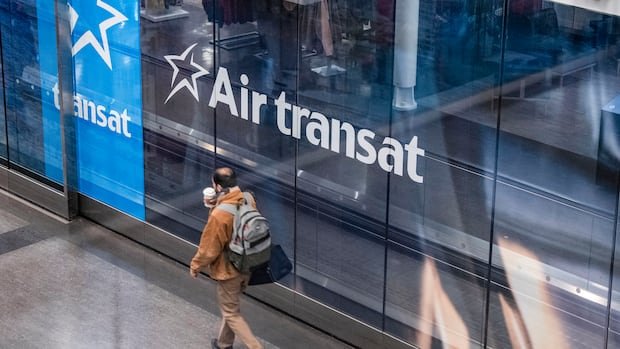
Air Transat has become the latest airline to make changes to its services amid soaring fuel prices. Transat A.T. Inc., the parent company of Air Transat, announced a reduction in flight frequencies on select routes to Europe and the Caribbean. Additionally, the airline is prolonging its suspension of flights to Cuba until October due to the ongoing fuel embargo imposed by the U.S.
This decision will lead to a six percent decrease in overall capacity between May and October, particularly impacting the busy summer travel season. Air Transat cited the extended suspension of flights to Cuba as the primary reason for most of the capacity adjustments.
CEO Annick Guerard stated that the aviation fuel price fluctuations have created a challenging environment for the industry. The airline is closely monitoring the situation as cost pressures persist, although demand for air travel remains strong. Affected customers will be contacted directly with alternative travel arrangements.
The surge in jet fuel prices, attributed to the closure of the critical Strait of Hormuz fuel route following recent geopolitical events, has led airlines worldwide to adjust their operations. Both Air Canada and WestJet have announced capacity cuts to mitigate the impact of high fuel costs, with Air Canada suspending six unprofitable routes.
In response to rising fuel expenses, many Canadian airlines, including Air Transat, have introduced fuel surcharges. Similarly, European carriers like Lufthansa have taken measures to reduce flights and save fuel. Experts have cautioned that fuel shortages in Europe could disrupt travel plans during the summer season.
Despite the challenges posed by fuel price hikes, Air Transat assures customers that it is collaborating with partners to secure a reliable fuel supply network. However, travel industry experts anticipate further increases in airfares as airlines consolidate flights, leading to reduced inventory and heightened demand. This trend is expected to result in a costly summer travel season for passengers.