
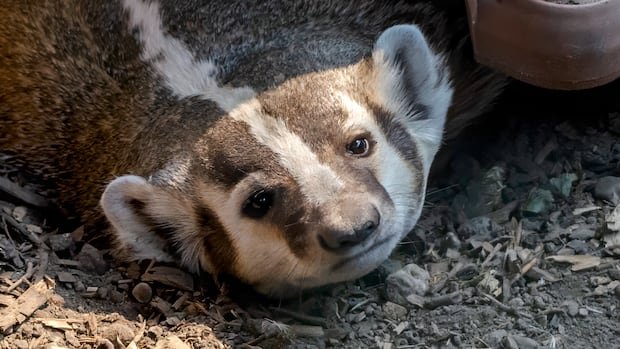
Badgers are a familiar sight across the Prairies, but a recent federal evaluation indicates that they are susceptible to similar risks as the endangered populations in Ontario and British Columbia.
The American badger, the sole badger species in North America, belongs to the weasel family and is categorized into three populations by the Committee on the Status of Endangered Wildlife in Canada (COSEWIC). In December, the advisory panel identified the “Kootenay, Prairies, and Rainy River” population, covering badgers in the Prairie provinces, parts of southeastern British Columbia, and northwestern Ontario, as being of “special concern.”
The other two populations, located in southwestern Ontario and the B.C. Interior, are classified as endangered, with estimates suggesting there are fewer than 250 adult badgers in each region.
Chris Johnson, a member of the COSEWIC terrestrial mammals subcommittee from the University of Northern British Columbia, emphasized the challenges of estimating badger numbers due to their elusive behavior. He highlighted the various threats to the species, including habitat loss, vehicle collisions, and human-induced killings.
Johnson emphasized the need for proactive management to safeguard badgers from further decline and potential extinction risks. The “special concern” designation by COSEWIC signals the importance of preventive measures to maintain the population’s stability.
In Alberta, the Wildlife Watch Program monitors roadkill incidents annually, with 112 badger carcasses recorded in 2024. Wildlife biologist Chris Fisher noted the common occurrence of badger roadkills and the detrimental impact on the vulnerable population.
Badgers are often found near roads due to the ease of burrow construction in sloped ditches, where they prey on Richardson’s ground squirrels. The combination of food availability and proximity to high-speed roads poses a significant threat to badgers, leading to frequent collisions with vehicles.
Habitat loss is a critical issue for the endangered badger populations in southwestern Ontario and the B.C. Interior, as urban expansion encroaches on their natural habitats. The loss of grasslands, considered one of the world’s most endangered ecosystems, poses a grave risk to various species, including the American badger.
Described as essential “ecosystem engineers,” badgers play a crucial role in maintaining ecological balance. However, their environmental significance is often overlooked, leading to persecution by humans, primarily due to perceived threats to livestock and property damage caused by burrowing activities.
Despite being classified as a sensitive species in Alberta, badgers face ongoing risks from hunting, trapping, and landowner interventions. Efforts to protect badgers and their habitats are crucial to ensure their long-term survival and ecological contributions.