
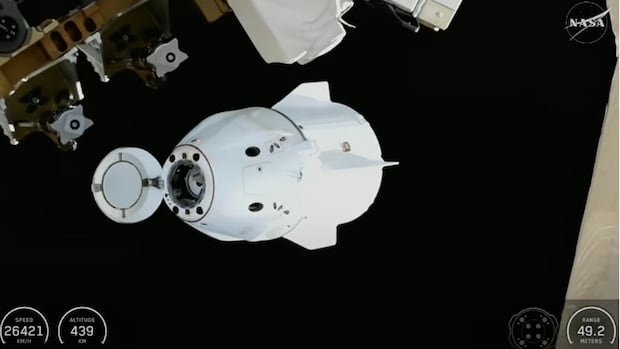
A deteriorating air leak on the International Space Station (ISS) prompted five astronauts to seek shelter and prepare for potential evacuation for about two hours on Friday as Russia worked to repair a crack on its part of the orbital laboratory, according to NASA. The astronauts from the Crew-12 mission, which included two Americans, a French astronaut, and a Russian cosmonaut, were directed by NASA mission control to enter their SpaceX-built Crew Dragon spacecraft docked to the station. NASA later rescinded the order and allowed the astronauts to return to the station while assessing the air leak situation.
NASA and Russia’s space agency, Roscosmos, have been in discussions for months regarding small air leaks on the Zvezda service module of the ISS. Chris Cassidy, a former NASA chief astronaut, mentioned that the leak has been a persistent issue for several years, with efforts underway to address it. Roscosmos reported detecting two leaks on the ISS but assured that there was no immediate danger to the crew.
The first leak was successfully sealed, and efforts were in progress to address the second leak, as confirmed by Roscosmos. The rate of air leakage increased from one pound per day to two pounds on Friday, causing concerns among officials. The ISS is currently accommodating seven astronauts from two missions, with the most recent Crew-12 team arriving in February.
Plans were made by two cosmonauts to access the crack causing the air leak using a saw, which was met with disagreement from NASA officials. Consequently, safe-haven procedures were implemented, requiring each crew member to shelter in place in their designated spacecraft. However, the order was lifted once Roscosmos paused repair efforts.
Safe-haven orders are rare on the ISS, typically triggered by external threats like space debris or air leaks. NASA expressed its commitment to collaborating with Roscosmos to address the leaks and ensure crew safety. Legislation is being proposed in the U.S. Congress to extend the lifespan of the space station until 2032 to facilitate the development of a replacement. Senate and House leaders are working to finalize the legislation.