
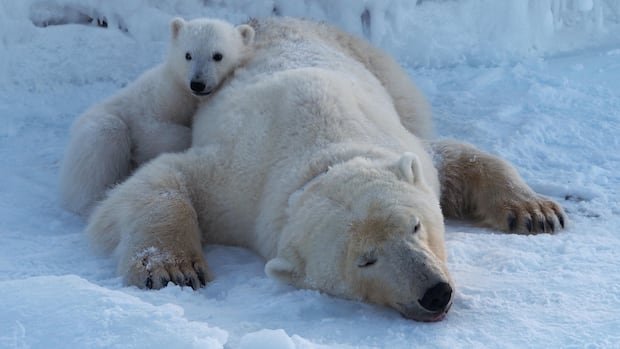
A solitary polar bear swimming in the ice-free Arctic has become a symbol of the impact of global warming on wildlife. However, in the Barents Sea north of Norway, the local polar bear population seems to be faring well despite decades of melting sea ice and increased ice-free days. Recent research published in Scientific Reports reveals that these bears are adapting to the changing environment and managing to maintain their health.
The study, based on data from live captures of polar bears between 1995 and 2019 in the Svalbard archipelago, shows that the bears are adjusting to the diminishing sea ice and finding enough food to survive. This specific subpopulation of polar bears, one of 20 recognized groups, includes bears that remain on land during ice-free periods and others that venture as far as Russia’s Franz Josef Land.
Over the years, researchers observed that despite the earlier breakup of sea ice and longer ice-free periods, the body conditions of the Svalbard polar bears initially dipped but then stabilized. This unexpected resilience could be attributed to the bears diversifying their diet to include prey not typically part of their food sources, such as walruses, bird eggs, and whale carcasses.
While these findings offer a glimpse of hope for the Barents Sea polar bears, experts caution that this adaptation may be temporary, and the long-term survival of polar bears worldwide remains uncertain as climate change continues to impact their habitat. The study underscores the importance of understanding the varying responses of different polar bear populations to changing environmental conditions.