
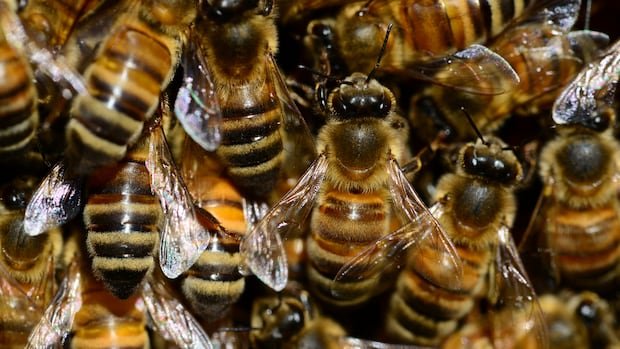
In a recent report by the Canadian Association of Professional Apiculturists, it was revealed that more than 41% of honeybee colonies in Alberta failed during the winter of 2025 due to the harsh climate in Canada. To address this issue, Beekeeping Innovations Ltd. based in the Calgary area has introduced a groundbreaking solution known as the Bee Cube. This innovative apiary features a fully climate-controlled environment that can accommodate multiple honeybee colonies and is specifically designed in Okotoks.
Herman Van Reekum, the founder and CEO of the company, explained that the main objective of the Bee Cube is to provide bees with a comfortable environment to survive the winter successfully. Additionally, the Bee Cube offers a unique opportunity to revolutionize the beekeeping industry in Canada.
Van Reekum emphasized the significance of producing queens within the Bee Cube, highlighting the importance of creating a self-sustaining source of queens domestically. Currently, Canadian beekeepers heavily rely on importing foreign queen bees, with approximately 300,000 queens brought in annually from countries like Australia, New Zealand, and certain states in the U.S.
Importing foreign bees not only poses challenges in adapting to a new environment but also increases the risk of introducing harmful pests such as varroa mites. Van Reekum warned about the potential threat of the Tropilaelaps mite, an invasive pest that could devastate honeybee colonies if introduced to North America.
By breeding local queens, beekeepers aim to reduce mite infections and develop bees with genetic resilience to withstand the extreme cold of Canadian winters. The process of creating queens involves carefully selecting larvae, which are then nurtured into queen bees through specialized feeding and monitoring.
Van Reekum highlighted the success of their queen production, aiming to increase the number of queens produced to 5,000 this year. Alberta stands as Canada’s primary honey producer, with nearly 40% of the country’s honeybee colonies located in the province. The honey industry in Canada plays a vital role not only in honey production but also in providing essential pollination services to support agriculture.
In 2025, Canada’s honey harvest was valued at $241 million, underscoring the economic significance of beekeeping in the country. Van Reekum emphasized the essential role of honeybees in pollinating crops, stating that approximately one-third of the food we consume relies on bees for pollination, including canola, orchards, and blueberries.