
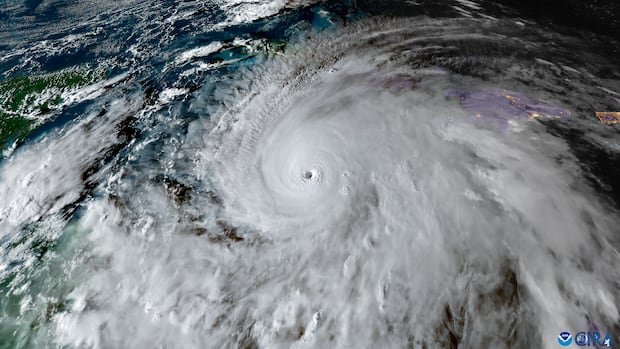
The U.S. National Hurricane Center (NHC) has predicted a below-average Atlantic hurricane season for this year. The forecast anticipates between eight and 14 named storms, with three to six of them evolving into hurricanes, and one to three potentially becoming major hurricanes. In comparison, the 30-year average from 1991-2020 includes 14 named storms, seven hurricanes, and three major hurricanes.
The Atlantic hurricane season spans from June 1 to Nov. 30. Despite the prediction of a below-average season, NOAA director Ken Graham emphasized the importance of preparedness, highlighting that all hurricanes pose significant dangers regardless of the forecasted numbers. The Canadian Hurricane Centre (CHC) also issued a forecast aligning with NOAA’s projections.
The expected below-average season is attributed to the presence of El Niño, which some models suggest will be notably potent. El Niño typically brings strong wind shear to the Atlantic Ocean, which can hinder storm development. Although El Niño conditions may suppress storm formation, it is crucial to note that global ocean temperatures, especially in the mid-Atlantic region where hurricanes originate, are at record highs due to climate change, providing favorable conditions for hurricane intensification.
According to climate scientist Daniel Gilford, warm ocean waters act as the fuel for hurricanes, while wind shear can either facilitate or impede their development. Despite the predicted below-average Atlantic hurricane season, NOAA forecasts an above-average season in the Pacific region, expecting 15 to 22 storms, with nine to 14 named storms and five to nine major hurricanes.
In the previous year, there were 13 named Atlantic storms, five hurricanes, and four major hurricanes. Although no hurricanes made landfall in the U.S., the storms resulted in 125 fatalities and $503 million in damages. Notably, the final storm of the season, Hurricane Melissa, struck Jamaica as a Category 5 hurricane, causing significant casualties and damages.
NOAA officials stress the importance of readiness, emphasizing that vigilance is essential regardless of the forecasted intensity or number of hurricanes.