
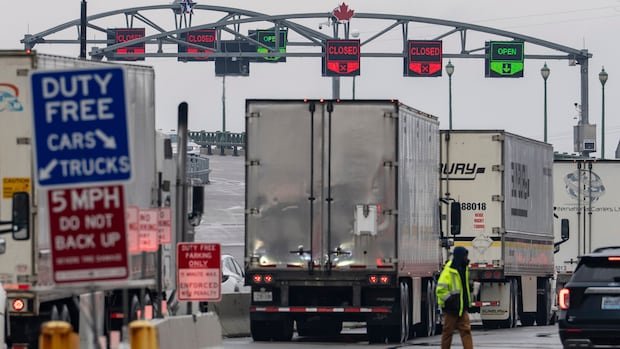
Enforcement of cross-border cargo regulations has significantly increased during the current administration, causing delays and financial burdens that discourage trade, according to industry experts. The implementation of tariffs along the U.S.-Canada border has led to heightened scrutiny and penalties in customs procedures.
Breanna Leininger, in charge of U.S. operations at Pacific Customs Brokers in Vancouver, described the significant changes in border officials’ document requirements for shipped goods, noting a tenfold increase compared to previous years. She highlighted the shift towards more thorough inspections and deeper scrutiny by customs authorities, which have become a daily occurrence for the 5,000 customers she serves.
Importers are now facing stricter demands for extensive documentation, including labor and manufacturing records, to demonstrate compliance with product classifications and trade agreements. The evolving nature of these requirements poses challenges as the level of proof and the specific tariffed items seem to change frequently.
Data from U.S. Customs and Border Protection indicates a 26% increase in audits this year compared to 2024, with authorities collecting $70.6 million from trade penalties in the first half of the year alone, marking a substantial surge from previous years.
The heightened enforcement measures coincide with an escalating trade dispute between Canada and the U.S., leading to additional tariffs on both sides. These delays and increased paperwork not only add to costs but also hinder cross-border commerce, as noted by Alan Dewar from GHY, a Winnipeg-based customs brokerage.
Leininger emphasized the significant challenges faced by businesses in navigating the complex customs landscape, with some finding it too difficult to continue operations. U.S. Customs and Border Protection stressed the importance of importers providing accurate information and complying with regulations to facilitate trade.
The current enforcement approach reflects a dynamic regulatory environment driven by risk assessments, trade patterns, and legal obligations. Businesses are urged to exercise diligence and transparency in their interactions with customs authorities to ensure compliance with evolving trade policies.