
A recent provincial law empowering police to detain individuals under the influence for a maximum of 72 hours has stirred concern in Brandon, where an anticipated sobering center has yet to materialize. Efforts to establish a 24-hour sobering facility have been ongoing in the city since 2021 when Manitoba Justice pledged $2 million in initial funding. The center was envisioned as a health-focused option for individuals detained for public intoxication, aiming to offer an alternative to police holding cells.
Despite four years passing, the facility remains nonexistent. Currently, intoxicated individuals can only be held for up to 24 hours due to the absence of a designated protective care facility for the extended 72-hour duration. Brandon Police Chief Tyler Bates highlights that the existing time limit does not align with the escalating substance use-related incidents encountered by officers.
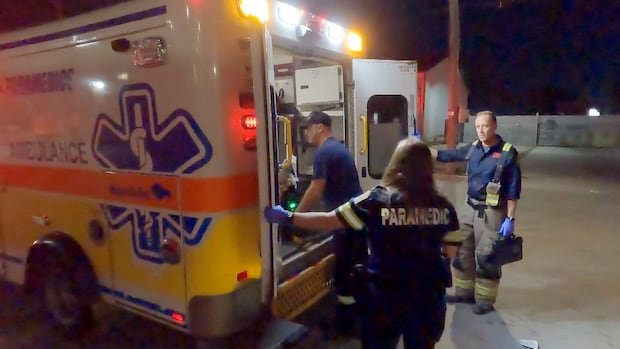
Bates emphasized the pressing need for such a facility, citing an upsurge in individuals grappling with addiction who require care and protection daily. Notably, the number of individuals detained for intoxication or drug-related issues has surged following the inclusion of paramedics at Brandon’s detention center in the summer of 2025. Comparing statistics, 255 individuals were detained from July 3 to Nov. 18, 2024, whereas the number spiked to 529 during the same period in 2025.
The current 24-hour restriction often results in individuals being released before fully sober, posing risks of further harm or victimization, according to Bates. The enactment of the Protective Detention and Care of Intoxicated Persons Act extends the detention period for highly intoxicated individuals to 72 hours, up from the previous 24 hours, including those under the influence of long-lasting substances like methamphetamines.
Brandon and Thompson are being considered as potential locations for protective care centers, offering a glimmer of hope for the establishment of such facilities, as highlighted by Bates. Meanwhile, the recent inauguration of a new 20-room facility in Winnipeg serves as a closely monitored development for interested parties.
Shannon Saltarelli, the city’s community housing and wellness co-ordinator, echoed the sentiment that cells are inadequate for individuals in need of sobering up, advocating for sobering centers as a safer alternative. Funding challenges have stalled the progress on Brandon’s sobering center, with Saltarelli noting the need for triple the current funding to advance to the operational stage.
Mayor Jeff Fawcett clarified that the initial $2 million was intended as a catalyst rather than full construction funding, with plans to co-locate the center next to the John Howard Society’s transitional housing. The city is strategizing to implement the center in phases, with the goal of addressing immediate community needs first and expanding as additional funding is secured.
Despite the positive strides, concerns have been raised by advocates like Antoinette Gravel-Ouellette from Moms Stop the Harm, who fear that expanded detention powers could shift focus away from community-based support towards increased incarceration. Gravel-Ouellette emphasized the importance of compassion and comprehensive services to support individuals struggling with substance use, cautioning against potential re-traumatization and elevated overdose risks post-release.
Bates concurred on the necessity of a sobering center to break the cycle of recurrent detainment in police cells, emphasizing the need for sustainable solutions beyond temporary fixes. The push for a more holistic approach to substance abuse intervention remains critical, with the ultimate goal of aiding individuals in transitioning away from addiction as a daily reality.