
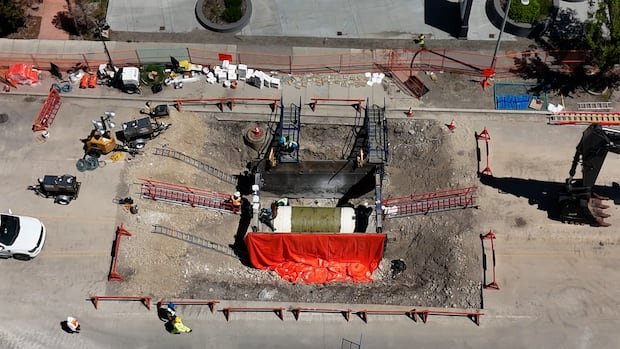
An independent panel unveiled its findings regarding the 2024 breach of the Bearspaw south feeder main, coinciding with a recent similar incident. The report highlighted missed opportunities to inspect the feeder main despite known vulnerabilities. Following the rupture of the McKnight feeder main in 2004, which shared the same material, concerns were raised about the Bearspaw south feeder main. The aging pipe, installed in the mid-1970s, coupled with design flaws, posed risks that were never addressed. Despite three recommendations for inspections between 2017 and 2022, the city deferred or redirected them due to competing priorities.
The report emphasized a nationwide infrastructure lag, with over a quarter of water mains in need of repair across Canada. Calgary faced heightened risks due to rapid population growth and maintenance challenges in a sprawling city. The panel criticized the city’s high risk tolerance for critical infrastructure failures, likening it to a preventable disaster. While acknowledging the need for prioritization in decision-making, experts stressed the urgency to address high-risk issues promptly.
Concerns were raised about the deteriorating condition of the Bearspaw feeder main, with the panel warning of a potential future break. Plans to replace the concrete feeder main with a steel pipe by 2028 were underway, but recent events prompted calls for accelerated action. City officials aimed to expedite the replacement project, with a proposed completion target of early 2027 to enhance system reliability.
Regarding costs, the panel did not conduct a detailed analysis but stressed the importance of swift action over cost concerns. City officials expressed readiness to fast-track the replacement process to mitigate vulnerabilities. Proposals for establishing a dedicated water utility department, akin to EPCOR in Edmonton, aimed to enhance accountability and oversight in managing critical infrastructure.
Following the 2024 water main failure, the city implemented acoustic fiber optic monitoring to detect potential issues. However, the recent break highlighted the limitations of this method, necessitating additional inspection measures like electromagnetic assessments. The report underscored the importance of a comprehensive approach to safeguard critical infrastructure and prevent future failures.