
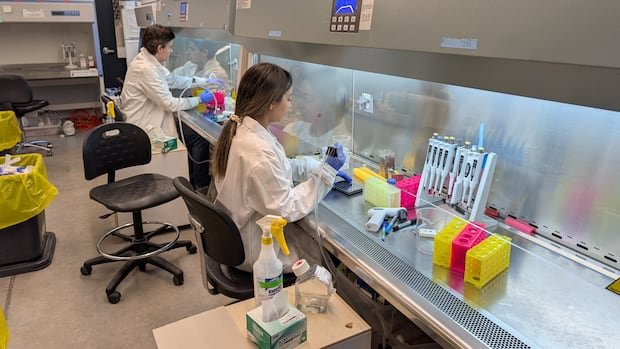
Charu Chandrasekera had a pivotal moment in her career when she realized the limitations of using animal testing in biomedical research. After witnessing the ineffectiveness of animal studies in translating to human health outcomes, she shifted her focus to developing alternative methods. In 2017, she established the Canadian Centre for Alternatives to Animal Methods at the University of Windsor, where she pioneered technologies like 3D bioprinted tissues using human cells. Despite making significant strides in changing the conversation around animal testing in Canada, the center had to close in 2024 due to insufficient funding, unlike in other countries such as the U.K, the United States, and the European Union, which have dedicated resources to replace animal testing in research.
The absence of a comprehensive strategy in Canada for replacing animals used in biomedical testing, which constitute a large portion of the animals used in research settings, remains a significant challenge. Charu Chandrasekera emphasizes the potential of the industry expected to reach $30 billion by 2030 and asserts that the transition away from animal testing is inevitable. However, without adequate support from the government, Canada risks missing out on opportunities in this evolving field.
Advancements in technologies like organ-on-a-chip models offer promising alternatives to animal testing. Milica Radisic, a professor at the University of Toronto, has developed living heart tissue that mimics the functions of a real heart, providing a more accurate and ethical platform for studying diseases and testing drugs. Despite progress in adopting alternative methods, regulatory bodies like Health Canada play a crucial role in determining the acceptance of these new approaches.
While some researchers express skepticism about completely ending animal testing due to the unique insights it provides, the push towards developing and implementing alternative methods continues. Lucie Côté emphasizes the importance of scientific advancements guiding decisions in transitioning away from animal testing. However, the lack of funding for these innovative approaches in Canada poses a significant obstacle to progress in this direction. Charu Chandrasekera advocates for Canada to take a leadership role in supporting these advancements and urges collective efforts to address the shortcomings in the current system.