
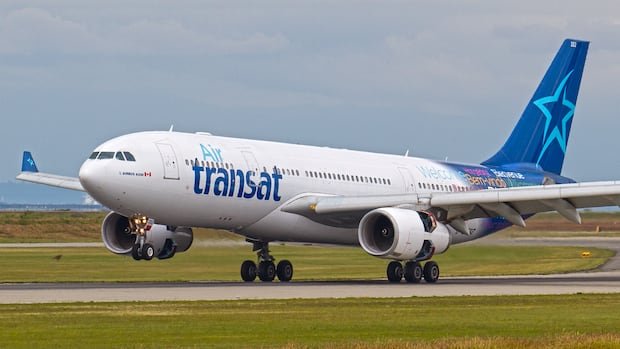
Air Transat and Air Canada are adjusting their flight prices in response to the increased cost of jet fuel caused by the ongoing oil crisis stemming from the Middle East conflict. This adjustment is affecting Canadian and international carriers.
Annick Guérard, the CEO of Air Transat, stated during the company’s first-quarter earnings call that they have raised fuel surcharges on flights to Europe, which are now integrated into the total price. Additionally, they are increasing fares on peak travel dates and routes with less competition to manage the impact of rising fuel costs.
Air Canada also confirmed that they are adapting their pricing to account for the higher fuel expenses. This move aligns with the actions of several other international airlines, which have introduced fuel surcharges to offset the surge in jet fuel prices following the regional conflict that disrupted oil supplies.
Cathay Pacific, for instance, announced a doubling of the fuel surcharge on tickets purchased in Canada, starting March 18. Similarly, airlines like Air New Zealand, Qantas Airways, and Scandinavian Airlines are also raising passenger fares. Japan Airlines, on the other hand, is evaluating fuel costs over a two-month period before making any surcharge adjustments.
Some airlines, such as Lufthansa and Ryanair, have implemented hedging mechanisms to temporarily stabilize fuel prices. Meanwhile, WestJet indicated that they may need to make pricing adjustments due to the increased operational costs resulting from the Middle East situation.
Air Transat recently raised surcharges on flight segments departing from Canada and Europe to cope with the escalating fuel prices. The surge in jet fuel costs has significantly impacted airlines, with prices skyrocketing by 58.4% between late February and early March.
As the industry grapples with these challenges, airlines are exploring various cost-saving measures to mitigate the impact of the fuel price hike. Porter Airlines, while monitoring the situation closely, emphasized that they do not have a fuel hedging strategy and do not operate flights to the Middle East.